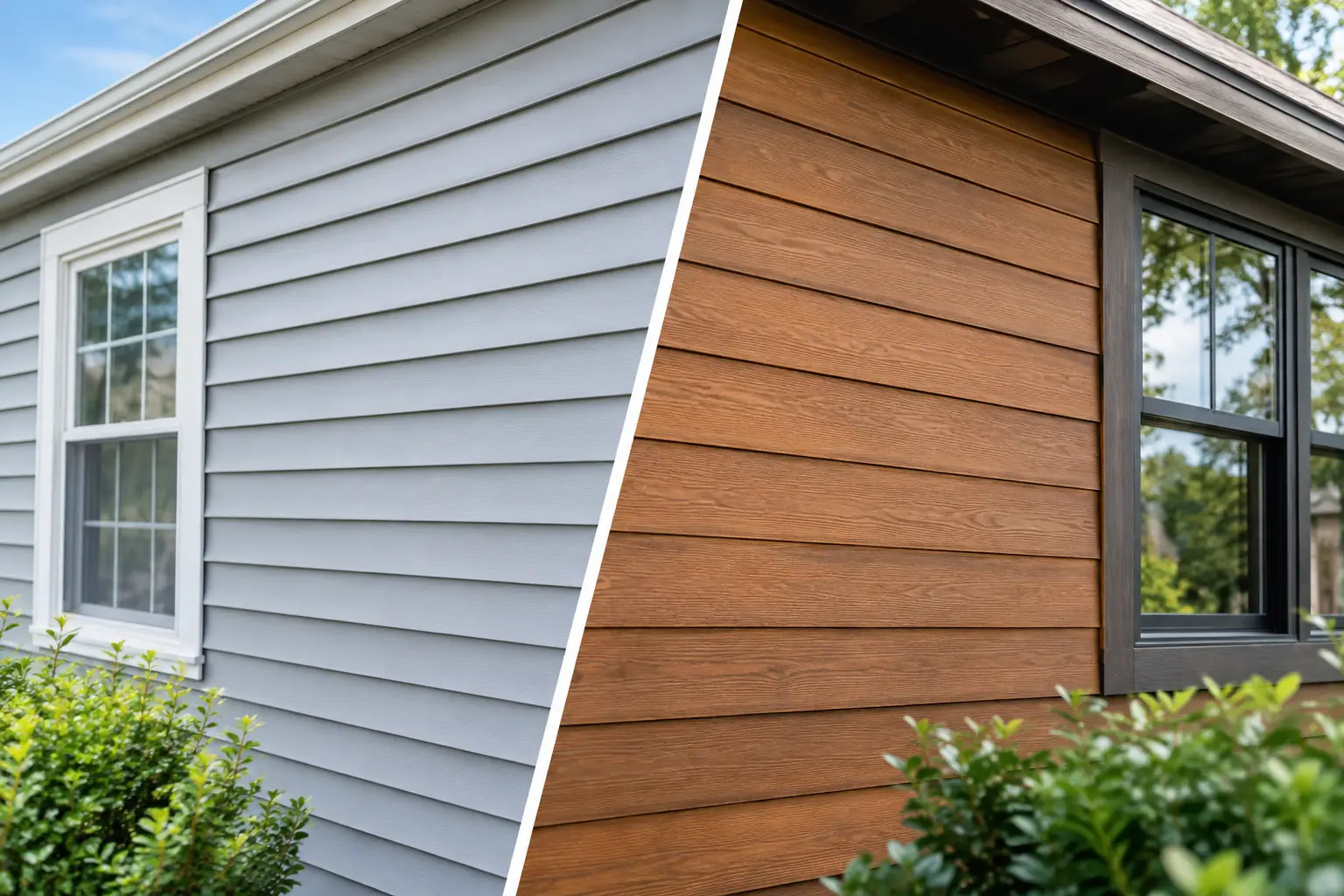
A siding decision is not just about the colour sample in your hand. It affects how your home handles wind-driven rain, how often it needs attention, and how it looks from the street for years to come. When comparing vinyl siding versus engineered wood, Vancouver Island homeowners should look beyond the initial price and consider the complete exterior system.
Both materials can perform well when they are properly specified and professionally installed. The better choice depends on your home’s design, exposure to weather, maintenance expectations, and the level of finish you want. A well-built siding project protects the wall assembly first, then delivers the curb appeal that makes the investment feel worthwhile.
Vinyl Siding Versus Engineered Wood in Coastal Conditions
Coastal weather asks a great deal of any exterior cladding. Rain, humidity, wind, salt air near the shoreline, and long damp seasons can expose weak installation details quickly. Siding is only one part of the protection system. Flashing, house wrap, drainage space, sealed penetrations, trim details, and proper clearances all matter just as much.
Vinyl siding is a non-porous cladding that sheds water effectively. Its panels are designed to expand and contract with temperature changes, so they must be installed with the correct fastening technique and room to move. When nailed too tightly or fitted poorly around trim, vinyl can buckle, rattle, or look uneven.
Engineered wood siding is made from wood strands and resin-based binders, then finished with protective treatments. Quality products are designed to resist moisture damage better than traditional wood siding, but they still rely on good paint, sound caulking practices, and careful protection at cut edges. It is a durable option, not a maintenance-free one.
How the Materials Look on a Finished Home
This is often where the decision becomes clear. Vinyl siding offers a clean, consistent finish and comes in a broad range of colours and profiles. It suits many practical renovations, especially when a homeowner wants a neat exterior with low ongoing maintenance. The look has improved considerably over the years, but it still has the visual character of a panel-based cladding.
Engineered wood provides more depth, sharper shadow lines, and a more substantial appearance around corners, windows, and trim. It can be installed in lap, panel, board-and-batten, and shake-style profiles, making it a strong fit for homes where architectural detail is a priority. For homeowners updating an older house or aiming for a more custom exterior, engineered wood often delivers a higher-end result.
The best-looking projects do not rely on siding alone. Proportional trim, well-finished window details, coordinated soffits, and clean transitions to roofing all contribute to a polished exterior. Those details are where craftsmanship shows.
Moisture Resistance Depends on the Whole Assembly
Vinyl does not absorb water, which is one reason it remains a dependable choice in wet climates. However, water can still get behind vinyl through wind-driven rain or openings around fixtures and trim. The wall behind it needs a properly installed weather-resistive barrier and drainage path so incidental moisture can escape rather than becoming trapped.
Engineered wood needs more attention at vulnerable points. Bottom edges must be kept clear of roofs, decks, steps, and grade. Joints, penetrations, and transitions need proper flashing. Factory finishes help, but field-cut edges and any damaged coating should be sealed according to the manufacturer’s requirements.
Neither material can compensate for poor preparation. If the existing wall has rot, missing flashings, or failed window details, covering it with new siding simply hides the problem. A careful contractor assesses the wall condition before cladding goes on, then addresses repairs while the assembly is accessible.
Maintenance: Lower Effort or More Finish Control?
Vinyl is the lower-maintenance option for most homeowners. Periodic washing removes dirt, pollen, and mildew film. It does not require repainting, although a damaged panel may need replacement. Dark colours can show fading over time, and impact from ladders, sports equipment, or debris can crack panels in some conditions.
Engineered wood generally needs more active care, particularly where it is painted. Homeowners should inspect caulking, paint condition, and exposed edges regularly. Repainting intervals vary by product, colour, sun exposure, and the quality of the original coating, but this material gives you more control if you want to change colours later.
That trade-off is straightforward: vinyl minimizes routine upkeep, while engineered wood asks for occasional maintenance in exchange for a more tailored appearance. The right answer depends on whether you value simplicity above all else or see exterior finish as an ongoing part of caring for the home.
Upfront Cost and Long-Term Value
Vinyl siding usually has a lower material and installation cost than engineered wood. It can be an excellent value for larger elevations, rental properties, practical refreshes, and homes where a simple, durable finish is the goal. Its lower maintenance needs can also make its lifetime ownership cost predictable.
Engineered wood typically costs more because the material, trim package, paint or factory finish, and installation detailing are more involved. It can add meaningful curb appeal, particularly on homes with visible front elevations, gables, and architectural features. In a renovation where exterior appearance supports resale value, that additional investment may be justified.
The lowest quote is rarely the full cost story. Ask what is included behind the siding: removal of old cladding, wall repairs, house wrap, flashings, trim, ventilation details, disposal, and finishing. A quote that leaves out critical weatherproofing work can become expensive once the project is underway.
Installation Quality Can Make or Break Either Choice
Vinyl must be installed level, properly lapped, and loosely fastened so panels can move without distortion. Corners and trim should look straight, with clean termination details around windows, doors, and service penetrations. A rushed installation can create visible waves that are difficult to ignore every time you pull into the driveway.
Engineered wood requires accurate layout, consistent reveals, correct fasteners, protected cut ends, and disciplined flashing details. Small errors in spacing or trim alignment stand out because the material is meant to create a refined, intentional look. It rewards precision.
For either option, the contractor should also confirm how siding interfaces with roofing, decks, gutters, exterior lights, vents, and other elements of the home. Water does not respect trade boundaries. Proper sequencing and clear responsibility for those transitions protect the work over the long term.
Which Siding Is Right for Your Home?
Choose vinyl when low maintenance, budget control, and reliable weather shedding are your main priorities. It is especially practical for homeowners who want a clean exterior without planning around future repainting. A quality vinyl product with a thoughtful colour choice and proper installation can look sharp and serve a home well for many years.
Choose engineered wood when you want stronger architectural character, substantial trim details, and the flexibility to repaint in the future. It is often the better fit for homeowners who want their exterior renovation to feel custom rather than purely functional, and who are prepared to maintain a painted finish.
A site-specific assessment is worth more than a generic material recommendation. Exposure, rooflines, existing wall conditions, drainage details, and your plans for the property should all shape the decision. The right siding is the one installed with the care needed to keep Vancouver Island weather outside where it belongs.
Leave a Reply