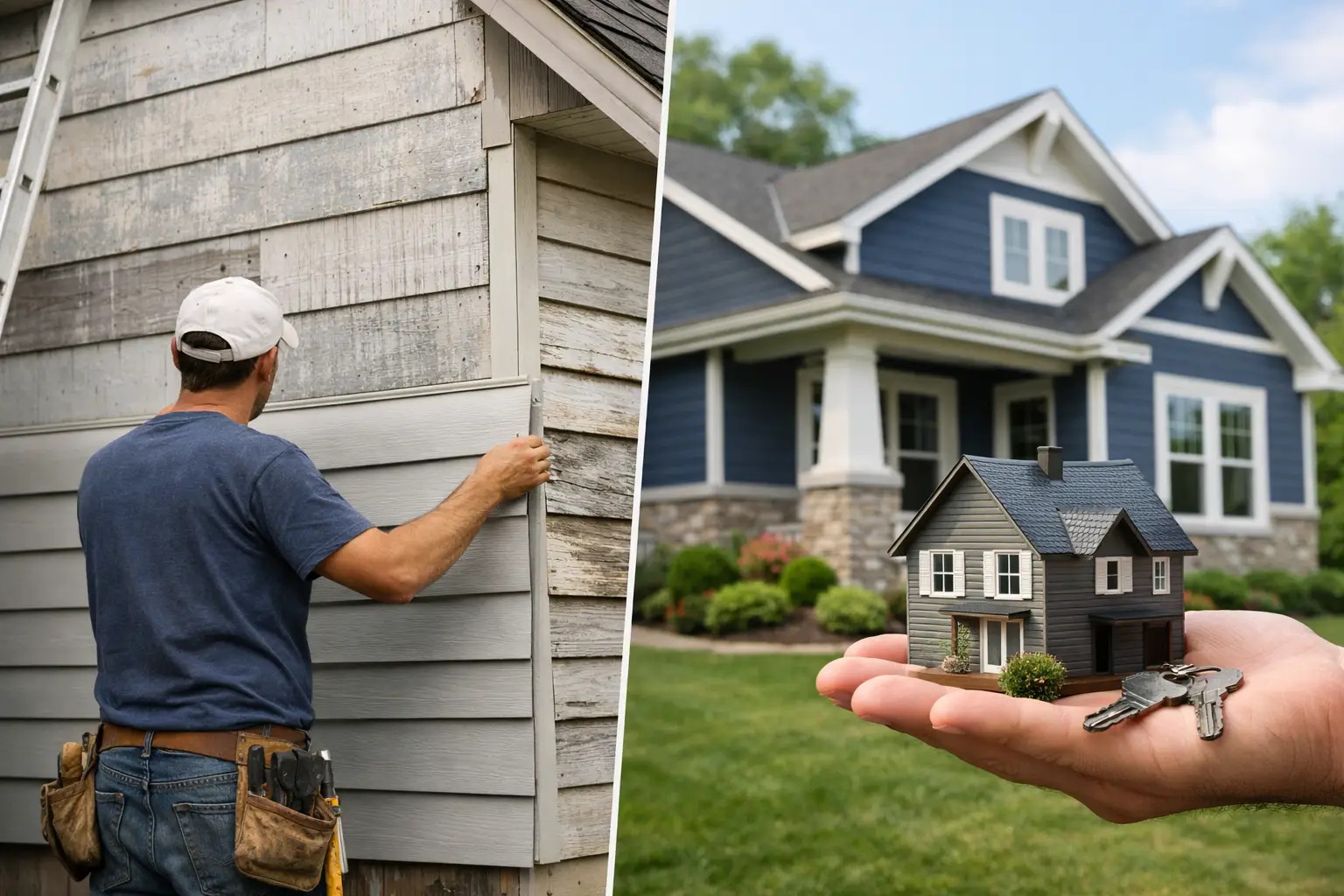
A buyer pulls up to a home with faded, cracked siding, stained trim, and visible gaps around windows. Before they step inside, they are already wondering what else has been neglected. That is why homeowners often ask, does new siding increase value? In many cases, yes – but the return is not just about choosing a new colour or installing the most expensive material.
New siding can improve market appeal, protect the structure beneath it, and reduce the number of concerns a prospective buyer may raise during a viewing or inspection. The amount of value it adds depends on the condition of the existing exterior, the material selected, the quality of installation, and whether the work suits the home and local climate.
Does New Siding Increase Value in a Meaningful Way?
New siding can increase a home’s value when it solves a visible or functional problem. If the current siding is damaged, warped, rotting, poorly maintained, or simply dated, replacement can make a strong difference in how buyers perceive the entire property. A clean, well-finished exterior signals that the home has been cared for.
The financial return is rarely a fixed percentage. Real estate markets shift, buyer preferences differ, and every home starts from a different condition. A home with sound, attractive siding may not gain as much from replacement as a home with obvious moisture damage or an exterior nearing the end of its service life.
For many homeowners, the more practical benefit is avoiding a value loss. Deteriorated siding can make buyers expect hidden rot, water intrusion, insulation issues, or costly repairs. Replacing it before listing can remove a major objection and help the home compete more confidently with other properties.
On Vancouver Island, this matters even more. Rain, wind-driven moisture, salt air in coastal areas, and long damp seasons can expose weak details quickly. Siding that looks good but lacks proper flashing, drainage, and finishing is not a lasting upgrade. Buyers and inspectors may not see every detail immediately, but poor workmanship has a way of showing up over time.
Curb Appeal Has Real Selling Power
Siding covers most of a home’s visible exterior, so it has an outsized effect on curb appeal. Fresh materials, clean lines, coordinated trim, and properly finished corners can make an older home feel more current and better maintained.
That first impression affects more than photographs. It shapes expectations before a showing begins. When the exterior looks solid and well cared for, buyers are more likely to approach the rest of the home with confidence. When it looks neglected, they may begin looking for reasons to discount their offer.
Good siding choices should complement the home’s architecture rather than chase a short-lived trend. Neutral body colours, thoughtful trim contrast, and materials scaled appropriately for the home tend to have wider appeal than highly personal colour combinations. The goal is not to make every home look the same. It is to create an exterior that feels intentional, balanced, and durable.
Value Depends on More Than the Siding Material
Material matters, but it is only one part of the investment. Vinyl, fibre cement, engineered wood, natural wood, and metal cladding all have different costs, maintenance needs, appearances, and performance characteristics.
Vinyl can be a practical choice for homeowners seeking a lower-maintenance exterior at a more accessible price point. Fibre cement is often selected for its durability, crisp appearance, and resistance to common exterior concerns when installed correctly. Engineered wood can provide warmth and texture with a more consistent finish than traditional wood, while natural wood offers a distinct look but generally requires more ongoing maintenance.
The best choice depends on the home, the budget, exposure to weather, and how long the owner plans to stay. A premium material that is poorly matched to the property may not deliver the expected return. Conversely, a practical material installed with precise detailing can improve both performance and resale appeal.
Installation Quality Protects the Investment
Siding is a weather-management system, not just a finished surface. Behind the visible cladding are the details that determine whether moisture is directed away from the building envelope. House wrap, flashing, window integration, rainscreen spacing, ventilation, fasteners, and transitions at roofs and decks all matter.
A contractor who cuts corners on these details may leave a home looking improved in the short term while creating risk behind the walls. That is why quality craftsmanship carries value beyond appearance. Proper installation helps protect framing, sheathing, and insulation from moisture-related damage while supporting the siding’s expected lifespan.
For coastal British Columbia homes, a rainscreen approach and careful moisture detailing are especially valuable considerations. The exterior must be built for repeated wet weather, not merely for a good finish on installation day.
When Replacing Siding Delivers the Strongest Return
Siding replacement tends to make the most sense when the existing exterior is clearly failing or when a larger renovation exposes underlying issues. If boards are soft, cracks are spreading, paint repeatedly peels, or water is getting behind the cladding, waiting can allow the repair scope to grow.
It can also be worthwhile before selling if the exterior is the weakest part of an otherwise well-presented home. In that situation, new siding may help the property photograph better, attract more interest, and reduce buyer hesitation. Homeowners should still consider local market conditions and speak with a knowledgeable real estate professional if resale is the only reason for the project.
If the siding is structurally sound but tired-looking, a repair, repainting, or targeted trim upgrade may be the better financial decision. Replacement is not automatically the right answer simply because a home is older. The condition of the wall system should guide the scope.
Do Not Overlook the Work Behind the Walls
One of the biggest advantages of a siding project is the opportunity to assess what is hidden underneath. Once old cladding is removed, it may reveal damaged sheathing, failed flashing, inadequate weather barriers, or areas where previous repairs were not completed properly.
Finding these issues can feel frustrating, especially when it changes the budget. Still, addressing them while the walls are open is usually far more effective than covering them with new siding and hoping for the best. A proper repair protects the value of the home and gives the new exterior a sound foundation.
Homeowners should plan for the possibility of concealed repairs, particularly on older homes or properties with known leaks. A clear estimate should explain what is included, what conditions may require additional work, and how any changes will be communicated.
How to Make a Siding Upgrade Work Harder for Your Home
A siding project delivers better long-term value when it is planned as part of the complete exterior. Windows, doors, rooflines, gutters, trim, decks, and exterior lighting all meet the siding at key transitions. When those details are coordinated, the result looks cleaner and performs better.
Before committing to a project, consider four practical questions:
- Is the existing siding damaged, outdated, or allowing moisture to enter?
- Which material suits the home’s style, maintenance expectations, and exposure to weather?
- Will the installation include proper flashing, drainage, and finishing details?
- Are there related repairs or upgrades that should be completed while access is available?
It is also wise to keep records of the work. Material information, warranties, invoices, colour details, and photographs of the installation can be useful for future maintenance and reassuring to prospective buyers. Transferable warranties, where available, may add another layer of confidence.
New Siding Is Often a Protection Upgrade First
The strongest reason to replace siding is not always a future sale. It is often the need to protect the home you live in now. A properly installed exterior can improve comfort, reduce ongoing maintenance concerns, and help preserve the structure through years of wet weather.
That protection can support resale value later, but it also gives homeowners a more attractive, dependable home in the meantime. For a project of this size, the best result comes from choosing materials that fit the property and working with a contractor who treats every flashing detail, trim line, and transition as part of the finished job. DryTek approaches siding work with that standard: built for Vancouver Island weather and finished with care.
Leave a Reply