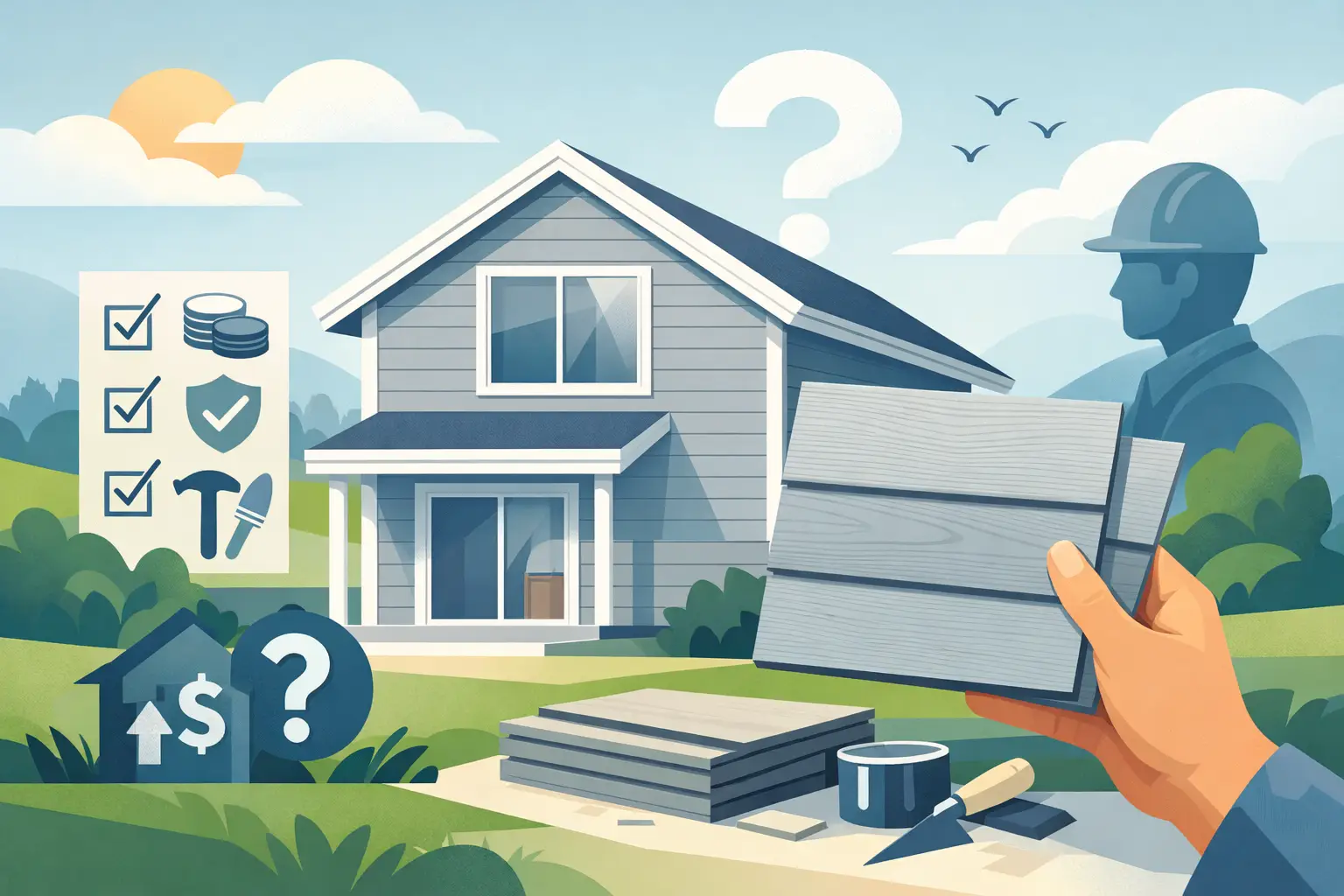
When homeowners ask is fiber cement siding worth it, they are usually weighing one big question behind it all: pay more now, or deal with more maintenance and replacement later. That is the real decision. Siding is not just a finish. It is part of your home’s weather protection, curb appeal, and long-term upkeep costs.
For many homes, fiber cement is a strong investment. It is durable, stable, and well suited to wet coastal conditions when it is installed properly. But it is not the right choice for every budget, every design, or every contractor. The value comes from matching the material to the house, the climate, and the quality of the installation.
Is fiber cement siding worth it for most homes?
In many cases, yes. Fiber cement siding earns its reputation because it offers a rare mix of durability, appearance, and fire and moisture resistance. It can mimic wood siding cleanly, holds paint well, and generally stands up better than lower-cost options when exposed to years of rain, sun, and temperature swings.
That said, worth is always tied to priorities. If your main goal is the lowest possible upfront cost, fiber cement may not feel worth it. If you plan to stay in your home, want a more solid finished look, and care about long-term performance, the equation changes quickly.
For homeowners in coastal BC, that long-term view matters. Moisture is hard on exterior materials. Siding has to do more than look good on day one. It has to resist swelling, rot, repeated wetting, and the wear that comes with damp conditions over time.
What fiber cement siding does well
Fiber cement is made to be tough. It does not rot like untreated wood, and it is not as easily affected by insects. It is also non-combustible, which appeals to homeowners thinking about fire resistance as part of their exterior upgrade.
One of its biggest strengths is dimensional stability. It expands and contracts less than some other siding materials, which helps it maintain a clean, consistent appearance. When installed with proper clearances, flashing, and joint treatment, it performs well in demanding weather.
It also offers strong design flexibility. Homeowners can choose lap siding, panel styles, and textures that suit anything from a classic family home to a more modern exterior. The finished look tends to feel substantial rather than flimsy, which is one reason many people see it as a premium upgrade.
Paint performance is another plus. Factory-finished fiber cement products usually hold colour well, and even primed boards that are site-painted can provide a long-lasting finish when the prep work is done correctly. That means less frequent repainting than wood in many cases.
Where the cost question gets real
Fiber cement is not cheap. Material costs are higher than vinyl in most cases, and labour costs are usually higher too. The boards are heavier, cutting and handling take more care, and proper installation is not something you want rushed.
This is where some homeowners hesitate, fairly. If your current siding issue is limited, or if you are renovating on a very tight budget, the upfront number can be hard to justify. A lower-cost product may solve the immediate problem and leave more room in the budget for windows, roofing, or insulation.
But low initial cost is not the same as low lifetime cost. If a cheaper material is more likely to crack, warp, fade, or need earlier replacement, the savings can shrink over time. A proper comparison has to include repair frequency, maintenance demands, and expected lifespan.
That is why the answer to is fiber cement siding worth it often depends on how long you plan to own the home. If you are staying for many years, better durability usually carries more weight. If you are preparing for a quick sale, your priorities may be different.
Installation matters as much as the material
Fiber cement has a strong reputation, but it is not forgiving of poor workmanship. Incorrect fastening, bad clearance at grade, weak flashing details, and sloppy joint treatment can all shorten its service life. In other words, a good product can still fail if the installation is careless.
That is especially true in wet regions. Rain management around windows, doors, roof lines, and transitions is critical. Siding should be part of a complete exterior system, not treated as a decorative skin that hides underlying problems.
This is one reason quality-focused contractors put so much emphasis on prep and detailing. The visible finish matters, but the hidden details matter just as much. A well-installed system protects the wall assembly, sheds water properly, and keeps the exterior looking sharp for longer.
How it compares with vinyl and wood
Compared with vinyl, fiber cement usually wins on appearance, rigidity, and impact resistance. It often looks more refined and closer to real wood. It also does not soften in heat the same way vinyl can. On the other hand, vinyl is usually less expensive and can be quicker to install.
Compared with wood, fiber cement often wins on maintenance and moisture resistance. Wood has a natural look that many homeowners love, but it asks more from you over time. In damp climates, that can mean more repainting, more monitoring, and a higher risk of rot if maintenance slips.
So the best comparison is not simply which material is best overall. It is which material best fits your goals. If you want the lowest cost and simplest replacement, vinyl may be enough. If you want a traditional wood look and are committed to maintenance, wood can still make sense. If you want a balance of durability, appearance, and lower maintenance, fiber cement often lands in the sweet spot.
Is fiber cement siding worth it in wet coastal weather?
In many situations, yes, and this is where the material makes a strong case. Wet coastal weather puts constant pressure on the exterior of a home. Frequent rain, moisture in the air, and long damp seasons can expose weaknesses in both materials and workmanship.
Fiber cement handles these conditions well when installed to spec. It does not serve as food for rot, and it holds up better than many homeowners expect in areas where weather exposure is a year-round concern. That does not mean it is waterproof or maintenance-free. Caulking, paint condition, and drainage details still need attention. But as part of a properly built siding assembly, it is a dependable choice.
For homes on Vancouver Island, that reliability is a major part of the value. A siding product that performs in dry conditions is one thing. A siding product that keeps doing its job after repeated wet winters is another.
The trade-offs homeowners should know
Fiber cement is heavy, and that affects installation time and labour. It can also be brittle if mishandled, which means cutting, carrying, and fastening need care. This is not usually a concern once the siding is in place, but it does reinforce the need for experienced installation.
It also still needs maintenance. While it is lower maintenance than wood, it is not maintenance-free. Painted finishes eventually need refreshing, caulking may need replacement in some areas, and regular exterior inspections are still smart.
There is also the issue of resale versus personal value. Some upgrades pay back clearly in market appeal, while others are more about your own ownership experience. Fiber cement often helps with both, but the exact return depends on your neighbourhood, the condition of the rest of the exterior, and whether the project is part of a larger curb appeal improvement.
When fiber cement is most worth it
It tends to be worth it when the home is exposed to tough weather, the owner plans to stay long term, and the project is being done with proper detailing from the start. It also makes sense when appearance matters and you want a more substantial look than budget siding typically provides.
It may be less worth it when the budget is very tight, the home is being sold soon, or the rest of the exterior assembly has bigger issues that need attention first. In those cases, putting money into drainage corrections, roofing, or repairs may be the better first move.
That practical lens matters. The right exterior upgrade is not always the most premium material. It is the one that solves the right problem in the right order.
The real answer
So, is fiber cement siding worth it? For many homeowners, yes – especially those who want long-term durability, strong curb appeal, and a siding product built to handle harsh weather with less upkeep than wood. The higher upfront cost is real, but so is the long-term value when the installation is done properly.
A good siding decision should leave you with more than a nicer-looking house. It should leave you with confidence every time the rain starts, because the exterior was built with care, quality materials, and details that were not cut short.
Leave a Reply