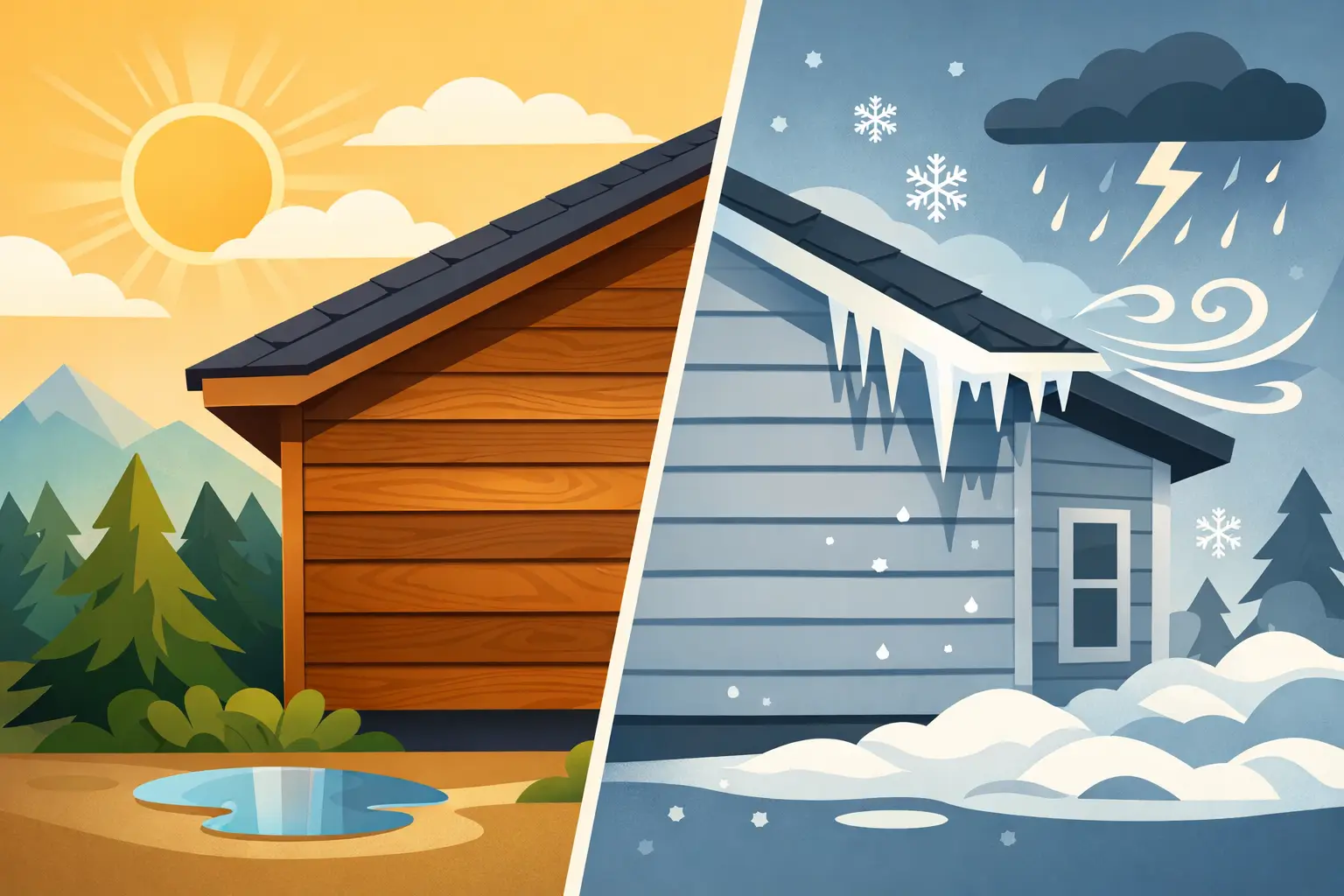
If you are weighing cedar siding vs vinyl, the real question is not which one looks better in a brochure. It is which material will protect your home, suit your maintenance tolerance, and still look right years from now in wet coastal conditions. For many homeowners, the choice comes down to natural character versus lower upkeep – but the right answer depends on your house, your budget, and how hands-on you want to be.
Cedar siding vs vinyl: the biggest difference
Cedar is a natural wood product. Vinyl is a manufactured exterior cladding made to resist moisture and reduce maintenance. That difference affects almost everything else, from appearance to lifespan to how the siding responds to sun, rain, and temperature swings.
Cedar brings warmth, texture, and a high-end finish that many homeowners still prefer. It can make an older house feel more authentic and give a custom home a more refined exterior. Vinyl is chosen for different reasons. It is practical, more budget-friendly in many cases, and easier to live with if you do not want to repaint, stain, or regularly manage weathering.
Neither option is automatically better. A lot depends on whether you value natural materials enough to justify the upkeep.
How cedar performs on a coastal home
Cedar has a long track record in British Columbia for good reason. It suits the region visually, and when installed properly with the right detailing, it can perform well in a damp climate. Cedar is naturally resistant to insects and decay compared with many other woods, which is a major advantage.
That said, natural resistance does not mean no maintenance. Cedar is still wood. It absorbs and releases moisture, it can crack or cup over time, and it needs ongoing protection if you want it to keep its appearance. On homes exposed to frequent rain, shade, and limited airflow, neglected cedar can age quickly.
Installation quality matters just as much as the product itself. Proper spacing, flashing, rain-screen design, and finishing all play a role in whether cedar remains stable and attractive. This is where craftsmanship makes a real difference. A well-installed cedar exterior can look exceptional. A rushed one can start showing problems much sooner than expected.
How vinyl performs over time
Vinyl siding is built for convenience. It does not need painting, it resists rot, and routine cleaning is usually enough to keep it presentable. For many homeowners, that simplicity is the main selling point.
In wet conditions, vinyl does not absorb moisture the way wood does, so you are not dealing with the same swelling, staining, or finish failure. That can make it appealing for busy households or rental properties where lower upkeep matters.
Still, vinyl is not maintenance-free in the purest sense. Panels can crack from impact, strong wind can loosen poorly installed sections, and lower-grade products may fade or warp over time. Like cedar, it performs best when it is installed correctly with proper trim, transitions, and moisture management behind the wall system.
A good vinyl installation should look clean and intentional. A bad one is easy to spot. Wavy lines, loose panels, and awkward finishing details can cheapen the whole exterior.
Appearance and curb appeal
This is where cedar usually has the edge. Real wood has depth, grain variation, and a natural finish that vinyl cannot fully replicate. If your goal is a premium look, especially on a craftsman, west coast, or traditional home, cedar often feels more at home.
It also gives you more flexibility if you want a stained finish or a specific painted look that highlights texture. When homeowners care deeply about curb appeal and material authenticity, cedar is often worth serious consideration.
Vinyl has improved, especially in colour selection and wood-look textures, but it still reads differently up close. That does not mean it looks bad. On many homes, quality vinyl can look sharp, tidy, and well-suited to the architecture. It simply offers a different finish standard. If you want clean lines and practical value over natural character, vinyl may be the better fit.
Maintenance is where the gap widens
The biggest long-term difference in cedar siding vs vinyl is upkeep.
Cedar requires attention. Depending on the finish, exposure, and quality of previous work, you may need to repaint, restain, or reseal it periodically. You will also want to watch for areas where moisture lingers, especially near trim, lower walls, and shaded elevations. Small issues are manageable when caught early, but deferred maintenance tends to become expensive maintenance.
Vinyl is far less demanding. In most cases, cleaning it and inspecting for damage is enough. That makes it attractive for homeowners who want dependable protection without adding another regular exterior project to their list.
There is no wrong preference here. Some homeowners are happy to maintain cedar because they value the look that much. Others would rather install vinyl once and avoid the cycle of refinishing.
Upfront cost and long-term value
Vinyl is often less expensive upfront than cedar, both in material cost and, in many cases, labour. That can make a big difference on a full-house siding project.
Cedar usually costs more because the material itself is more premium and the installation demands precision. Finishing work also adds to the price. If you choose cedar, it is important to see the project as both an exterior protection upgrade and a design investment.
Long-term value is more nuanced. Vinyl can deliver strong value because of its lower maintenance demands. Cedar can also offer value, especially on homes where appearance, architectural style, and resale presentation matter. But cedar only pays off if it is maintained. Without that commitment, the value gap can shift quickly in vinyl’s favour.
Durability in Vancouver Island weather
Coastal weather is hard on exteriors. Rain, moisture swings, salt air in some areas, and periods of direct sun all put siding to work.
Cedar can perform very well here, but it is less forgiving if details are missed. Moisture management behind the siding, proper sealing around penetrations, and careful finishing are essential. Cedar is not a material to install casually.
Vinyl handles moisture exposure more easily on the face of the product, but it still depends on a proper wall assembly underneath. If water gets where it should not, the siding material alone will not solve the problem. Good exterior work always starts with proper preparation and detailing.
For many coastal homes, the best choice is not just the best material on paper. It is the one that matches the homeowner’s expectations and is installed to a high standard. DryTek sees this often – the siding that lasts and looks right is usually the siding that was chosen with realistic expectations and finished properly the first time.
When cedar makes the most sense
Cedar is often the better fit when you want a natural, high-end exterior and are prepared for the maintenance that comes with it. It suits homeowners who care about craftsmanship, custom appearance, and architectural character. It can also be the right choice when you are upgrading a home where vinyl would look out of place.
If you are already investing in a more premium exterior renovation, cedar may align better with the overall result you want.
When vinyl makes the most sense
Vinyl is a strong choice when budget, low maintenance, and reliable weather resistance are the priorities. It is often the better option for homeowners who want a clean exterior update without committing to future refinishing work.
It also makes sense when practicality outweighs material authenticity, or when the home’s design suits a simpler cladding system.
The better question to ask before you decide
Instead of asking which siding is best in general, ask what kind of ownership experience you want. Do you want the warmth and detail of real wood enough to maintain it properly? Or do you want an exterior that stays serviceable with less attention year after year?
That question usually leads to a better decision than comparing product claims alone. The right siding should fit your home, your budget, and the amount of maintenance you are realistically willing to take on.
A good exterior choice is not just about what goes on the wall. It is about how well that system is built, how it handles local weather, and whether it still makes sense for you five or ten years from now. Choose the material that fits the way you live, then make sure it is installed with the kind of care your home deserves.
Leave a Reply