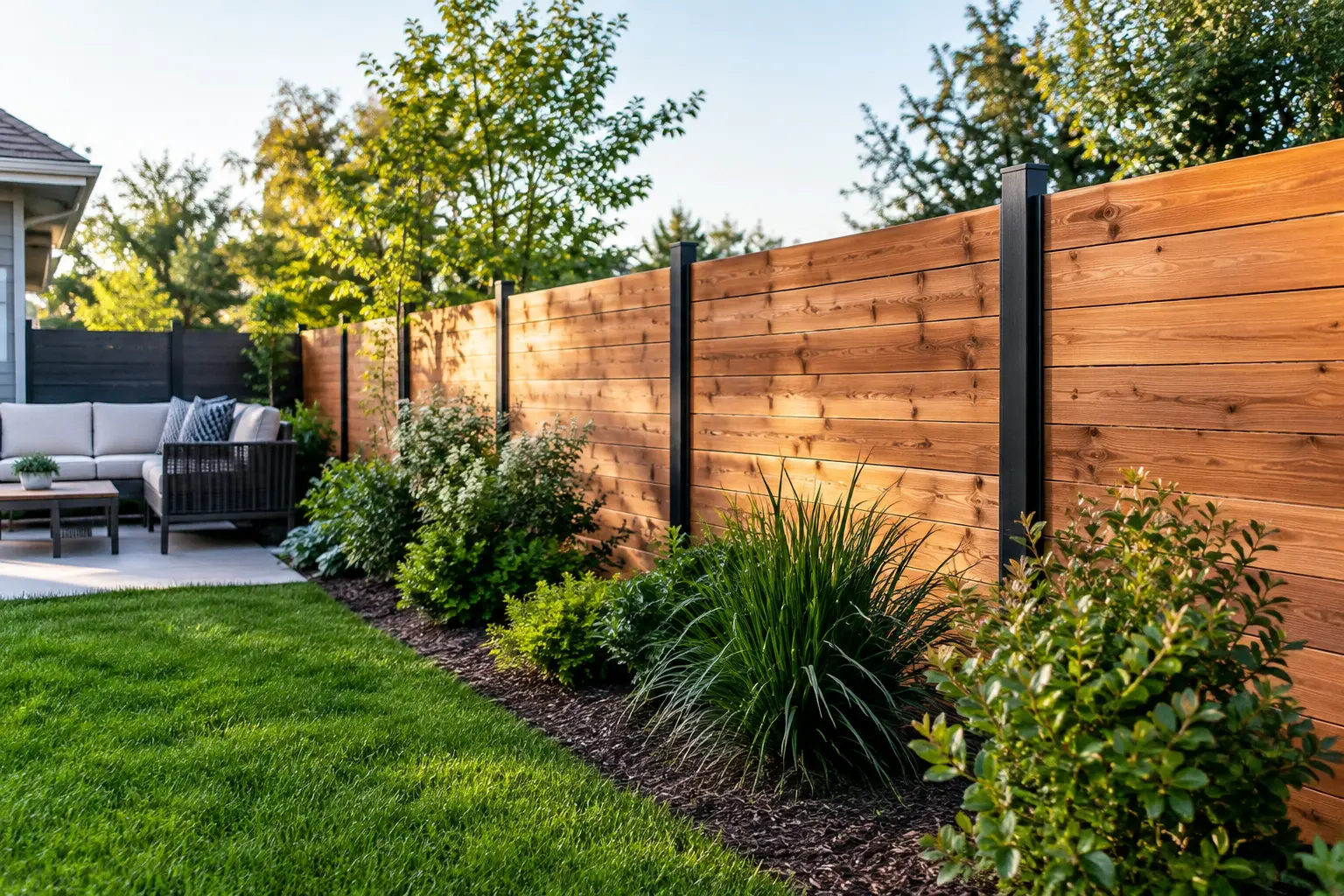
A privacy fence should do more than block a neighbour’s view. It should define your outdoor space, handle years of rain and coastal moisture, and look intentional from both sides of the property line. The best backyard privacy fence ideas balance screening, airflow, maintenance, and the character of your home rather than simply building the tallest solid wall possible.
For Vancouver Island homeowners, material choice and installation details matter just as much as the design. A fence that looks good on day one but holds moisture at the bottom rails, uses undersized posts, or lacks proper flashing around adjacent structures will not deliver the long-term value you expect.
Start With the Job Your Fence Needs to Do
Before choosing a profile, identify what needs screening. A patio beside a busy lane needs a different solution than a yard overlooked from a second-storey window. Full-height solid fencing can be effective at ground level, but it may do little for a higher sightline. In that case, a pergola, privacy screen, or layered planting may be the more practical addition.
Consider wind exposure as well. Solid panels catch more wind than an open design, which places greater demand on posts, footings, rails, and fasteners. On exposed coastal properties, a well-built semi-private fence can be a better long-term choice than a tall solid fence built without the right structural support.
Backyard Privacy Fence Ideas for Better Outdoor Space
1. Horizontal Wood Boards
Horizontal fencing creates a clean, contemporary backdrop for patios, gardens, and outdoor kitchens. Boards can be installed tightly for maximum privacy or with narrow, consistent gaps for a lighter appearance. The key is using quality lumber, corrosion-resistant fasteners, and careful spacing so boards can expand, dry, and age evenly.
This style rewards precise workmanship. Uneven gaps or boards that are not properly supported become obvious quickly, especially across a long fence line.
2. Vertical Board-and-Batten Fencing
Board-and-batten fencing offers a more traditional look with excellent coverage. Vertical boards shed rain effectively, while battens cover the seams and create a finished, dimensional surface. It suits homes with classic siding profiles, cottage-inspired exteriors, and properties where privacy needs to feel substantial rather than stark.
Use pressure-treated framing and keep wood clear of soil. That small detail helps prevent moisture from wicking into the fence and shortening its service life.
3. A Modern Slatted Screen
A slatted privacy screen is ideal where a full perimeter fence would feel too enclosed. It can define a seating area, hide a hot tub, separate a side yard, or screen utility equipment without closing off the entire yard. Vertical slats often make a compact space feel taller, while horizontal slats visually widen it.
Because this design is partly open, it allows more light and airflow than a solid wall. It is also often a smart choice for a windy location, provided the screen is properly anchored.
4. Framed Fence Panels
A framed panel design gives a backyard a more tailored finish. Each section is bordered by thicker rails or posts, turning a basic privacy fence into a deliberate architectural feature. This approach works especially well when matching a deck railing, pergola, trim colour, or gate design.
The trade-off is added labour and materials. For homeowners prioritizing curb appeal and a polished view from the patio, the extra detail is usually worthwhile.
5. Privacy Fence With a Lattice Top
A solid lower section with a lattice top provides privacy where people sit while allowing daylight above. It softens the fence line and creates a natural place for climbing plants, though vines should be selected and maintained carefully so they do not trap moisture against the structure.
This is a useful option when a full solid fence feels heavy or when the property needs a little more openness. It can also help break up a long run of fencing without sacrificing the sense of enclosure.
6. Mixed Wood and Metal Details
Wood fencing with black metal accents can complement contemporary homes, dark window frames, and modern deck hardware. Metal may be used for decorative insets, cap rails, or slender privacy panels above a wood fence. The result is crisp and durable when the materials are chosen for exterior use.
Not all metals age the same way in wet, salty air. Use finishes and fasteners suited to coastal conditions, and avoid material combinations that can cause staining or corrosion over time.
7. Stepped Fencing for Sloped Yards
A sloped yard does not need to limit privacy. Stepped panels follow the grade in defined levels, while racked fencing follows the slope more continuously. The right method depends on the terrain, the fence style, and the gaps that would result at ground level.
Stepped fencing often suits a structured, modern layout. Racked fencing can look more natural on gradual slopes. Either way, posts need to be set accurately before panels go up. Trying to correct alignment after installation usually compromises the finish.
8. A Fence With Built-In Planter Boxes
Planter boxes can turn a plain boundary into a more welcoming garden edge. They work well along patios and decks where greenery adds softness without taking up much yard space. Choose a design that allows drainage and keeps wet soil separated from the main fence structure.
Planters add maintenance and weight, so they should not simply be attached to a light-duty panel. When built as an integrated feature with proper support, they can make a privacy fence feel custom rather than purely functional.
9. A Screened Entry or Side Yard
Side yards often become storage corridors for bins, hoses, heat pumps, and garden tools. A small privacy fence or gate system can screen these areas from the street and create a cleaner approach to the backyard. Match the materials to the main fence so the property feels coordinated.
Do not overlook access. Gates need enough width for equipment, clear swing space, and hardware that can handle frequent use in wet weather.
10. Decorative Privacy Panels
Laser-cut metal, composite, or architectural wood panels can add privacy with a more artistic pattern. They are most effective as focal points: beside a patio, at the end of a sightline, or between standard fence sections. Used sparingly, they create visual interest without overwhelming the yard.
Check how the pattern performs in direct sun. Some panels create attractive shadows, while others may expose more of the space than expected depending on the viewing angle.
11. Layered Fence and Planting Design
A lower fence combined with hedging, ornamental grasses, or small trees can provide softer privacy than a tall solid barrier. This approach is particularly useful when neighbours are close but a full-height fence would make the yard feel boxed in. It also gives birds and pollinators a more welcoming landscape.
Plants take time to fill in, so the fence should still provide enough privacy on its own. Choose species that suit the site’s sun, drainage, and maintenance level rather than relying on fast growth alone.
12. Privacy Around a Deck or Hot Tub
Targeted fencing around a deck, hot tub, or dining area often delivers more value than replacing an entire boundary fence. A three-sided screen can block direct views while leaving the best parts of the yard open to light and breezes. Add a pergola overhead if the concern is overlooking from neighbouring upper windows.
For elevated decks, confirm that the privacy design does not interfere with required guardrails, drainage, or access for future maintenance. Details at the connection point matter as much as the screen itself.
Materials That Hold Up in Coastal Conditions
Pressure-treated lumber remains a practical, versatile choice for privacy fencing when it is installed correctly and maintained with a suitable stain or sealant. Cedar offers a refined appearance and natural durability, but it still benefits from proper clearance, drainage, and regular care. Composite boards can reduce routine maintenance and provide consistent colour, though they require a sound framing system and may cost more upfront.
For every material, the hidden components deserve attention. Posts should be sized for the fence height and exposure, installed at an appropriate depth, and set to resist movement. Fasteners should be corrosion resistant. Rails, caps, and board ends should be detailed to shed water rather than collect it.
Plan Before Building
Confirm property lines before construction, especially where an old fence may not sit on the legal boundary. Review municipal height rules, permit requirements, utility locations, strata rules where applicable, and any shared-cost conversation with neighbours. It is much easier to settle those details before materials arrive.
A well-designed privacy fence makes a yard more comfortable without making it feel closed off. Choose the design that solves the specific view, wind, and access issues on your property, then build it with materials and details that are ready for the weather ahead.
Leave a Reply