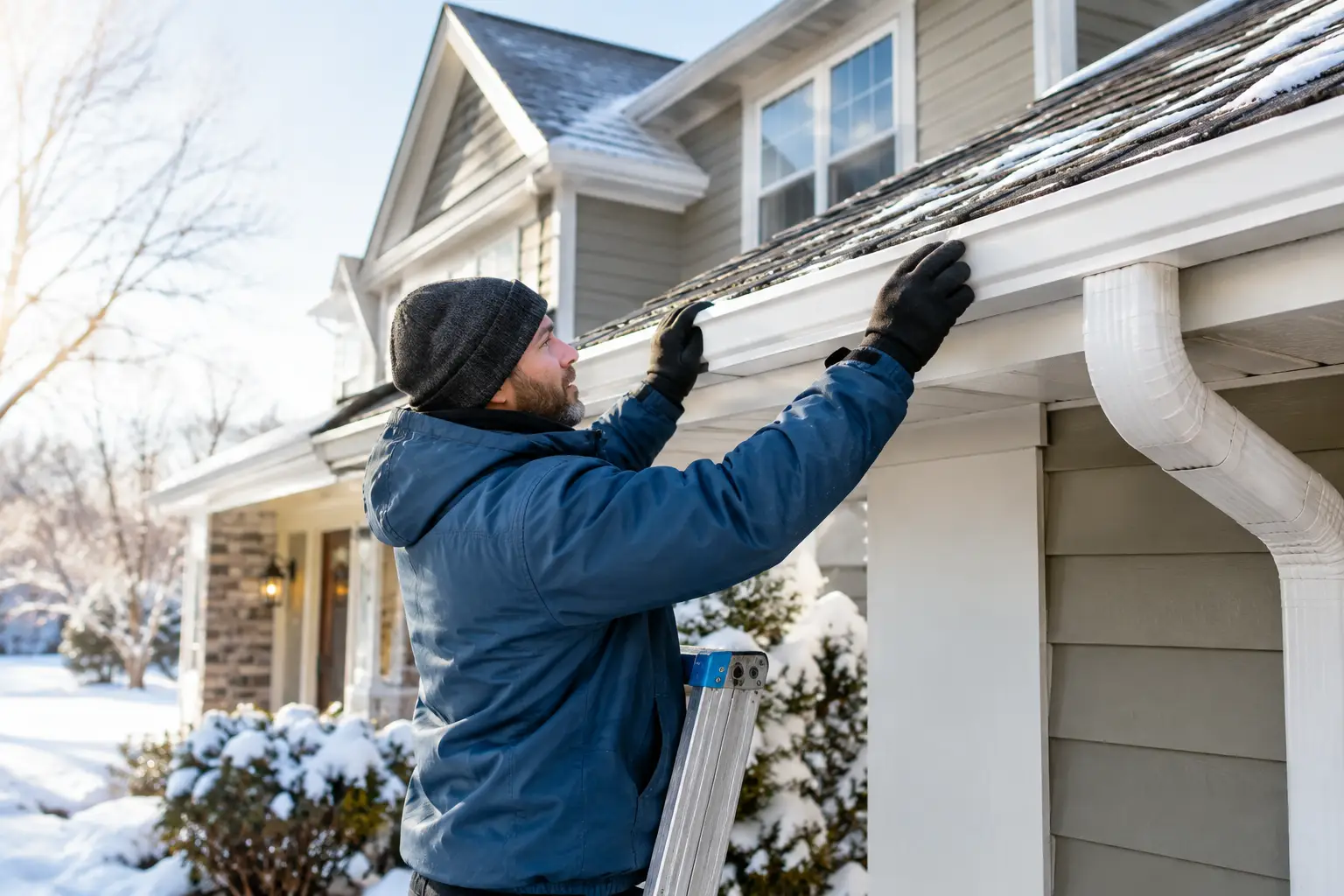
A small roof leak, a soft siding corner, or a loose deck board can seem manageable in late summer. After weeks of coastal rain and wind, those same issues can become expensive repairs. The top exterior upgrades before winter are the ones that stop water at the surface, protect vulnerable framing, and keep your home looking properly maintained through the wettest months.
For Vancouver Island homeowners, timing matters as much as the upgrade itself. Exterior work completed before persistent rain arrives gives materials time to be installed and finished correctly. It also lets you address hidden concerns before they are harder to access and more likely to worsen.
Start With the Roof and Drainage System
Your roof is the first line of defence against rain, wind, and moisture. If it is nearing the end of its service life, showing visible wear, or has already needed repeated patching, a replacement before winter may be the most practical investment you can make.
Look for cracked, curled, or missing shingles; exposed fasteners; damaged flashing around chimneys and vents; and granules collecting in gutters. These signs do not always mean a full replacement is required, but they do call for a proper assessment. A focused roof repair can be the right answer when damage is isolated and the rest of the system remains sound. When deterioration is widespread, continuing to repair an aging roof can cost more over time than installing a durable new system.
Do not overlook gutters and downspouts
A sound roof still depends on effective drainage. Gutters clogged with needles, moss, and debris can force water behind fascia boards or over the edge of the system. That runoff can stain siding, saturate soil beside the foundation, and create slippery areas near entrances.
Clean gutters before the wet season, check that brackets are secure, and confirm downspouts carry water away from the house. If water regularly spills over one section, the issue may be poor slope, insufficient capacity, or a blockage rather than a simple cleaning problem. Correcting drainage early helps protect the roof edge, siding, and foundation all at once.
Repair or Replace Failing Siding
Siding does more than improve curb appeal. It sheds rain, protects wall assemblies, and helps prevent moisture from reaching the sheathing beneath. On the coast, even a small opening around trim, windows, or penetrations can allow water to work behind the exterior finish over time.
Walk around your home on a dry day and watch for warped boards, cracked panels, loose trim, peeling paint, soft spots, or staining that returns after cleaning. Pay particular attention to lower walls, roof-to-wall intersections, deck connections, and areas sheltered by mature trees. These locations often stay damp longer and can reveal problems first.
Whether repair or replacement makes sense depends on the scope of the issue. A few damaged boards or a localized flashing failure may be repaired without disturbing the entire wall. If the siding is brittle, repeatedly taking on water, or nearing the end of its useful life, replacement provides an opportunity to improve the weather-resistive details behind it as well as the finished appearance.
Quality siding work is not only about straight lines and clean trim. Properly installed flashing, transitions, ventilation details, and sealed penetrations are what help an exterior perform through years of wind-driven rain. The finish should look polished, but the protection behind it matters just as much.
Upgrade Windows, Doors, and Exterior Seals
Drafts are not always caused by the window or door itself. Worn weatherstripping, failed caulking, loose exterior trim, and gaps at thresholds can let in water and cold air while allowing heated air to escape.
Before winter, inspect seals around windows, exterior doors, utility penetrations, and vents. Cracked or separated sealant should be removed and replaced with a suitable exterior-grade product, not simply covered over. Door sweeps and weatherstripping should make consistent contact without making the door difficult to close.
If you notice fogging between window panes, recurring condensation, visible rot around frames, or water marks on interior finishes, the concern may be more than a caulking touch-up. These symptoms deserve a closer look before winter weather makes diagnosis more difficult. In some cases, replacing a poorly performing window or exterior door is a worthwhile upgrade for comfort, energy efficiency, and protection from moisture.
Give Decks, Fences, and Railings a Safety Check
Outdoor structures take a steady beating from rain, UV exposure, and damp coastal conditions. A deck that felt solid in spring can develop loose fasteners, surface rot, or drainage issues by fall. Winter is not kind to untreated wood or overlooked connection points.
Check deck boards for softness, splintering, cupping, and areas where water pools. Test railings for movement and inspect the ledger connection where the deck meets the home. This is one of the most important structural details on any attached deck, and it should be properly flashed to prevent water from entering the wall assembly.
Fences deserve attention too, especially if leaning posts, loose gates, or damaged panels could become a problem during high winds. Repairs made before saturated soil and stormy weather arrive are generally simpler and safer. If an older deck or fence needs frequent repair, replacement with carefully selected, weather-appropriate materials may offer better long-term value.
Consider covered outdoor space where it adds real use
A well-built pergola, covered deck, or roofed outdoor structure can extend how you use your property during the shoulder seasons. It is not a first-priority upgrade if the roof or siding needs work, but it can be a practical addition once the home envelope is protected.
The design should account for drainage, attachment details, wind exposure, and material durability. A structure that looks good but directs water against the house, blocks drainage, or lacks proper footing will create more problems than it solves. Thoughtful planning and precise finishing are essential.
Address Moss, Vegetation, and Ground-Level Moisture
Moss growth is common on Vancouver Island, particularly on shaded roofs and north-facing surfaces. Left alone, heavy moss can trap moisture, lift roofing materials, and block gutters. It should be removed carefully with methods appropriate for the roof material. Aggressive pressure washing can damage shingles and force water where it does not belong.
Trim branches that contact the roof or siding, and clear dense vegetation away from exterior walls. Better airflow helps surfaces dry after rain, while reduced debris limits gutter blockages and moss buildup. Keep soil, mulch, and landscaping below siding and trim details so water can drain away from the house rather than sit against vulnerable materials.
This is also a good time to inspect foundation-adjacent areas. Downspout extensions, grading, and drainage routes should direct water away from the home. If puddles repeatedly form beside the foundation, correcting the drainage pattern may be more urgent than a cosmetic exterior project.
Prioritize Work Based on Risk, Not Just Appearance
When deciding which upgrades to schedule first, start with anything that can allow water into the home. Roof defects, failed flashing, damaged siding, and drainage problems deserve priority over aesthetic improvements. A new fence or refreshed exterior colour can wait if the building envelope has an active weakness.
After water protection, focus on safety and structural reliability. Loose railings, deteriorated deck components, and unstable fences can become more hazardous in winter conditions. Finally, consider upgrades that improve comfort and appearance, such as new exterior doors, refreshed trim, or a professionally designed outdoor structure.
A qualified exterior contractor can help separate a manageable maintenance item from a concern that needs immediate work. The goal is not to replace every aging component at once. It is to make informed decisions, use quality materials where they matter most, and complete the details properly before the weather tests them.
Winter preparation should leave you with more than a cleaner-looking exterior. It should give you confidence that rain is being directed away, vulnerable areas are protected, and the parts of your home exposed to the elements are built to keep doing their job.
Leave a Reply