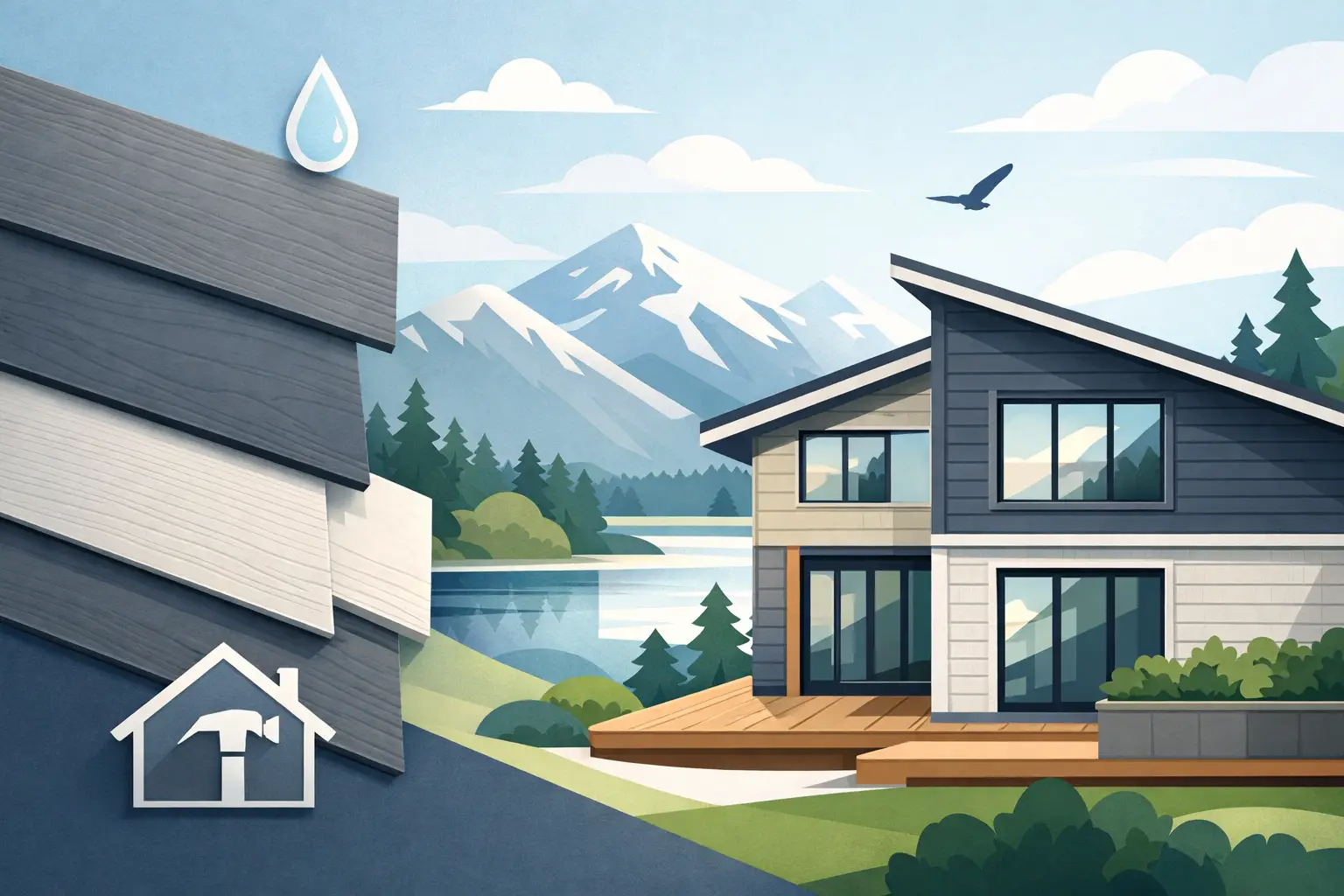
If your current siding is swelling, peeling, or starting to look tired after a few wet seasons, a fiber cement siding review is worth your time. For homeowners comparing exterior materials, the real question is not whether fiber cement looks good on install day. It is whether it keeps performing after years of rain, temperature swings, and regular wear.
That is where fiber cement earns its reputation. It is one of the most dependable siding options for homeowners who want a clean finish, strong weather resistance, and less worry about rot, insects, or fire. It is not the cheapest route, and it is not maintenance-free, but it hits a strong middle ground between appearance, durability, and long-term value.
Fiber cement siding review: what it gets right
Fiber cement siding is made from cement, sand, and cellulose fibres pressed into boards or panels. In practical terms, that gives you a product that feels solid, holds paint well, and resists many of the problems that affect wood-based siding.
One of its biggest strengths is moisture resistance. In a coastal climate, siding has to deal with repeated wetting, long damp stretches, and seasonal grime. Fiber cement does not absorb and break down the same way untreated wood can. Installed properly with the right clearances, flashing, and trim details, it stands up well in wet conditions.
It also performs well against pests. Termites and carpenter ants are far less of a concern than they are with some other cladding materials. Fire resistance is another clear advantage. Many homeowners do not think about that until they start comparing materials side by side, but it matters.
Appearance is another reason people choose it. Fiber cement can be manufactured in lap siding, panels, and shake-style profiles, and it can closely mimic painted wood. For homeowners who want a sharp, finished look without the higher upkeep of traditional wood siding, that is a major point in its favour.
Where fiber cement falls short
A balanced fiber cement siding review should be clear about the trade-offs. The first is cost. Fiber cement usually costs more than vinyl, both for materials and installation. The boards are heavier, the cutting process is more demanding, and proper installation takes skill and time.
That weight matters. This is not a material you want installed by a crew that treats siding like a volume job. Poor fastening, weak moisture detailing, or rushed cuts can shorten the life of the system and affect how it looks. The product itself is strong, but the result depends heavily on workmanship.
It also needs maintenance. Fiber cement is lower maintenance than wood, but it is not zero maintenance. Caulking, paint condition, joints, and trim details still need periodic attention. If a homeowner is expecting to install it once and never think about it again, that expectation should be reset early.
How fiber cement compares to other siding options
Compared with vinyl, fiber cement generally looks more substantial and stands up better to impact, heat, and long-term weathering. Vinyl is often more budget-friendly and easier to install, but it can crack, fade, or feel less refined depending on the product grade. If curb appeal matters and you want a more solid exterior finish, fiber cement usually has the edge.
Compared with wood, fiber cement wins on durability and maintenance. Wood has natural character that many homeowners still love, but it demands more ongoing care and is more vulnerable to moisture issues. In wet coastal conditions, that maintenance gap becomes more significant over time.
Compared with engineered wood, the answer depends on the product and the installation environment. Some engineered wood products offer strong warranties and a wood-like appearance with easier handling. Fiber cement still tends to feel more proven for homeowners prioritizing fire resistance and long-term stability, but the best choice can come down to budget, exposure, and design goals.
Compared with metal siding, fiber cement usually offers a warmer residential look. Metal performs well in many settings, but it can be a more specific aesthetic choice. For most detached homes, fiber cement fits more naturally with common neighbourhood styles.
Is fiber cement good for coastal BC weather?
Yes, with one important condition: it has to be installed properly.
For homes exposed to frequent rain, wind-driven moisture, and coastal temperature shifts, fiber cement is a strong candidate. It does not rot like wood, and it handles wet conditions better than many lower-cost materials. That said, no siding product is a substitute for a properly built wall assembly.
What matters just as much as the board itself is the full system behind it. That includes weather-resistive barrier, flashing, trim integration, fastening, joint treatment, and ventilation details where required. If those details are missed, even a premium siding product can end up hiding moisture problems rather than preventing them.
This is especially relevant on Vancouver Island, where moisture management is not a nice extra. It is part of whether the exterior performs at all. A detail-focused installation matters more than marketing claims.
Cost expectations and value over time
Fiber cement sits in the mid-to-upper range of siding costs. The exact price depends on profile choice, house design, trim complexity, access, prep work, and whether old siding needs to be removed and repaired underneath.
Simple homes with straightforward walls cost less to side than homes with multiple gables, built-out sections, custom trim packages, or extensive envelope repairs. Homeowners should also expect painting and finishing costs to affect the final number, especially if they want a specific colour scheme or factory-primed product finished on site.
Where fiber cement often makes sense is long-term value. It can last for decades when installed and maintained properly, and it tends to support resale appeal because it looks substantial and performs well. It may not be the lowest upfront cost, but it often feels like money better spent than replacing a cheaper product sooner.
Maintenance: lower, not absent
Fiber cement is often described as low maintenance, which is fair as long as that phrase is not taken too literally. You will still need to wash off dirt and organic buildup from time to time, especially on shaded or damp elevations. Painted finishes eventually need repainting. Sealant joints should be checked as they age.
The good news is that the maintenance is predictable. You are generally not dealing with frequent board replacement, widespread warping, or the same vulnerability to rot that comes with neglected wood siding. For many homeowners, that makes upkeep feel manageable rather than constant.
What homeowners should watch for before choosing it
Before moving ahead, ask how the siding system will be detailed around windows, doors, roof lines, and ground clearances. Ask what happens if hidden damage is found after removal of the old cladding. Ask who is responsible for finishing details and whether the crew has direct experience with fiber cement rather than general siding experience.
Those questions matter because fiber cement rewards precision. Clean reveals, consistent fastening, proper gap management, and tidy trim work all affect the final look. A strong product can still look rough if it is installed carelessly.
It is also worth being honest about your priorities. If lowest upfront cost is the main goal, vinyl may be a better fit. If you want a more premium appearance with stronger resistance to moisture, pests, and fire, fiber cement becomes much more compelling.
Who should choose fiber cement siding?
Fiber cement is a smart fit for homeowners who plan to stay in their home, care about exterior appearance, and want dependable protection without the upkeep demands of wood. It also suits renovation projects where the goal is to upgrade both performance and curb appeal at the same time.
It may be less ideal for very tight budgets or for homeowners who want the absolute lightest, quickest-install material available. It is also not the place to cut corners on labour. If the budget only works with rushed installation, the value starts to disappear.
For many households, the best reason to choose fiber cement is simple. It offers a durable, finished-looking exterior that feels built rather than just applied. That difference shows up over time.
A good siding decision is rarely about chasing the newest product or the cheapest quote. It is about choosing a material that fits your home, your climate, and the standard of work you expect. If that is the lens you use, fiber cement remains one of the more dependable options on the board, especially when quality craftsmanship leads the install from start to finish.
Leave a Reply