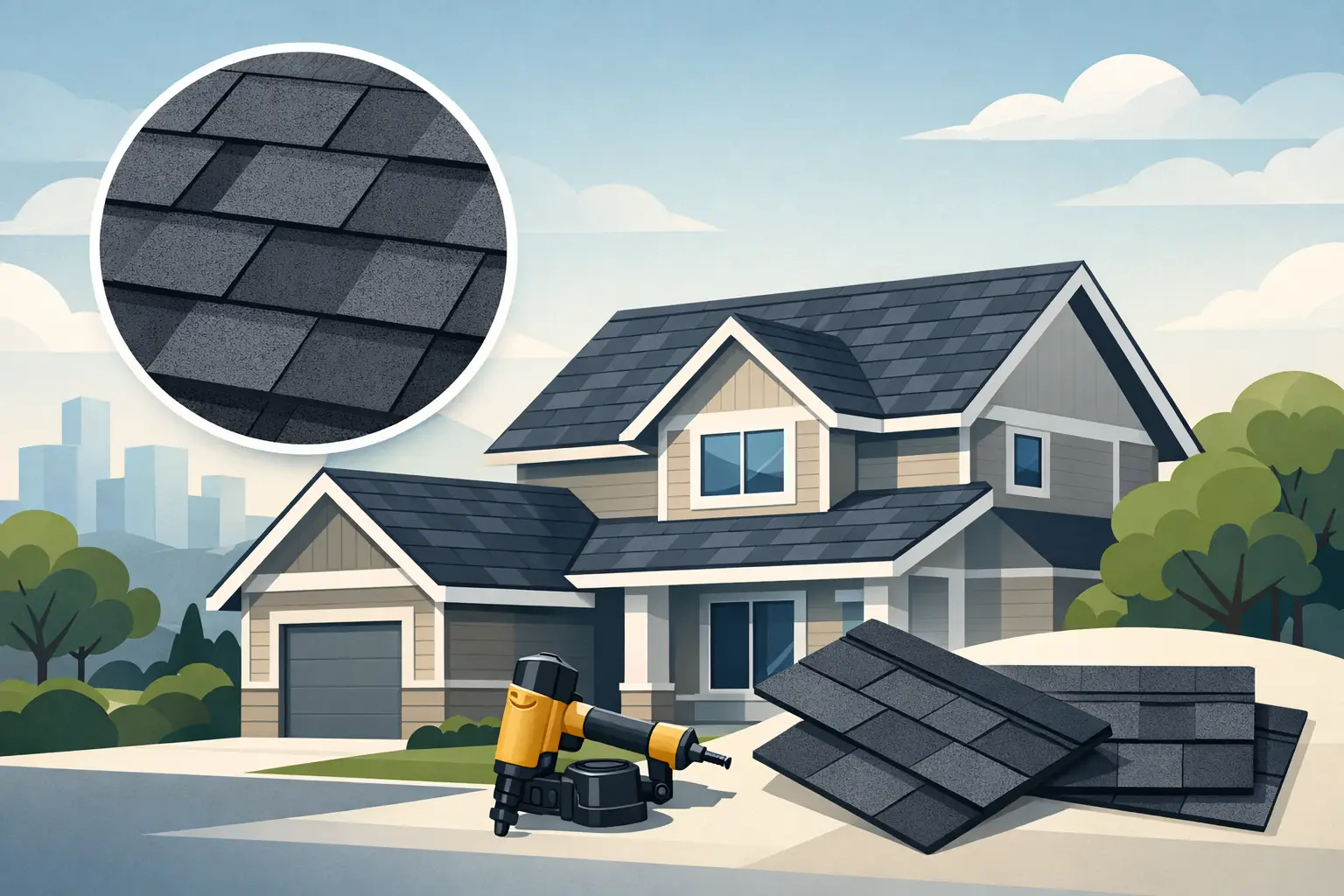
If your roof is showing its age, this architectural shingles review matters more than a brochure or showroom sample. A roof has to do two jobs at once – keep water out year after year and still look right on the house. For many homeowners, architectural shingles sit in that practical middle ground between basic 3-tab shingles and premium roofing systems that push the budget hard.
Architectural shingles are also called laminated or dimensional shingles. Unlike flat 3-tab products, they are built in layers, which gives them more depth, a heavier profile, and generally better wind resistance. From the street, that added dimension can make an older home look sharper without changing the character of the property.
What an architectural shingles review should really cover
A useful architectural shingles review should go beyond colour charts and warranty claims. The real question is how these shingles perform over time once they face rain, wind, UV exposure, roof valleys, vent penetrations, flashing details, and the small installation choices that often decide whether a roof lasts.
That is especially true in coastal conditions. In places with frequent moisture and weather swings, the roof system matters as much as the shingle itself. Good materials installed poorly will still fail early. A strong shingle installed with proper ventilation, underlayment, flashing, and clean finishing has a much better chance of delivering the lifespan homeowners expect.
Where architectural shingles fit in the market
For most residential homes, architectural shingles are the standard upgrade from entry-level asphalt roofing. They cost more than 3-tab shingles, but they usually offer a stronger appearance, better wind ratings, and a longer expected service life. They are not the cheapest option, and they are not the longest-lasting roof on the market either. That balance is exactly why they remain popular.
If your priorities are value, curb appeal, and dependable performance, architectural shingles make a lot of sense. If your top priority is maximum lifespan and you are prepared for a much higher upfront cost, metal or other premium roofing materials may deserve a closer look. It depends on your budget, your home style, and how long you plan to stay in the house.
Strengths homeowners tend to notice first
The biggest visual advantage is depth. Architectural shingles create shadow lines and texture that make the roof look more substantial. On many homes, that alone improves curb appeal enough to justify the upgrade over 3-tab products.
The second advantage is performance. Most architectural shingles are thicker and heavier, which usually translates into better resistance to wind and weather. That does not mean they are storm-proof, but they are generally a more resilient choice for everyday exposure.
There is also a perception benefit that matters when selling a home. Buyers often see architectural shingles as a more modern, better-quality roofing product. While a roof alone does not sell a house, it can remove one of the biggest concerns buyers have when they walk up to the property.
The trade-offs that deserve an honest look
Price is the obvious one. Architectural shingles cost more than basic asphalt shingles, both in materials and often in installation. For many homeowners, the added cost is worth it. For some, especially if the home is nearing a broader renovation or sale timeline, the premium may not return enough value.
Weight can also be a consideration, particularly on older structures or re-roof projects where someone is tempted to install over existing shingles. A proper assessment matters. Saving time by roofing over old material can create hidden problems, including uneven surfaces, trapped moisture issues, and reduced lifespan.
Then there is the warranty issue. Many roofing warranties sound stronger than they are in practice because coverage often depends on full system installation, correct ventilation, and approved accessory products. Homeowners should read those details carefully and not assume a headline number guarantees trouble-free performance for decades.
Architectural shingles review: performance in wet coastal weather
In wet coastal regions, architectural shingles can perform very well, but only when paired with proper roof design and careful workmanship. The shingles themselves shed water effectively. The weak points are usually not the field shingles. They are transitions, penetrations, flashing edges, valleys, and ventilation details.
That is why coastal homeowners should think in terms of roofing systems, not just roofing products. Underlayment selection matters. So does attic ventilation. If warm, moist air is not managed correctly, the roof may age from underneath as much as from the weather above.
Wind performance is another practical factor. Many architectural shingles carry solid wind ratings, but those numbers assume proper fastening patterns and manufacturer-compliant installation. A few nails in the wrong place can reduce performance quickly. Good roofing is detail work, and the details are where long-term value comes from.
How long do architectural shingles actually last?
The honest answer is that lifespan varies. Manufacturer ranges often sound generous, but real-world results depend on sun exposure, roof pitch, ventilation, tree cover, debris buildup, installation quality, and maintenance habits. In good conditions, architectural shingles commonly outlast basic 3-tab roofs by a meaningful margin.
Still, homeowners should be careful with exact year expectations. A shingle labelled for a long service life does not guarantee that every roof will reach that number. If a roof has poor ventilation, recurring moss growth, or chronic drainage issues, lifespan can shorten noticeably.
A better way to think about it is value over time. If architectural shingles give you a more durable, better-looking roof with fewer issues across the years you own the home, they often justify the additional upfront cost.
What separates a good product from a good roof
This is where many reviews miss the mark. Shingle brand matters, but installation quality matters just as much, and often more. A well-installed mid-to-upper-tier architectural shingle usually outperforms a premium product installed carelessly.
Look closely at the full scope of work being proposed. Will old roofing be fully removed? Are flashings being replaced where needed? Is the contractor addressing ventilation instead of ignoring it? Are roof penetrations finished cleanly? These are the questions that tell you whether you are buying a roof or just buying bundles of shingles nailed down quickly.
For homeowners comparing estimates, lower pricing can sometimes mean thinner scope rather than better value. If one quote skips key accessories or glosses over preparation and finishing, the savings may disappear the first time a leak appears around a chimney, wall transition, or vent stack.
When architectural shingles are the right choice
They are a strong fit when you want a noticeable upgrade in appearance without moving into a premium roofing category. They also make sense when the existing roof has reached the end of its life and you want something with more substance than an entry-level replacement.
They suit many detached homes, renovations, and curb appeal updates. If your neighbourhood has a mix of newer roofs and well-kept exteriors, architectural shingles often help the home feel current and properly maintained.
They may be less ideal if your roof has very low slope sections that require different materials, or if you want the longest possible lifespan and are prepared for a different price range. In those cases, it is worth having a contractor assess the whole roof system rather than choosing by appearance alone.
What to ask before you commit
Before moving ahead, ask what shingle line is being proposed and why. Ask about wind rating, algae resistance, underlayment, ventilation improvements, flashing replacement, and manufacturer system compatibility. These are not small details. They directly affect durability.
Also ask how the finished roof will look on your specific home. Colour and profile should suit the siding, trim, and overall architecture. A roofing decision is partly technical and partly visual, and a good contractor should be able to guide both sides of that conversation.
If you are comparing contractors, clarity matters. A dependable company should be able to explain the differences in plain language, without hiding behind jargon or pushing the most expensive option by default. That practical, craftsmanship-first approach is what leads to better roofing decisions.
DryTek approaches roofing the same way homeowners should – by focusing on materials, details, and proper execution that are built for Vancouver Island weather.
Architectural shingles are not the right answer for every roof, but they are a solid answer for many. If you want a roof that looks better than basic asphalt, performs well in real conditions, and offers dependable long-term value, they deserve serious consideration. The best next step is not chasing the boldest warranty claim. It is choosing a roof system and an installer that treat the details properly from day one.
Leave a Reply