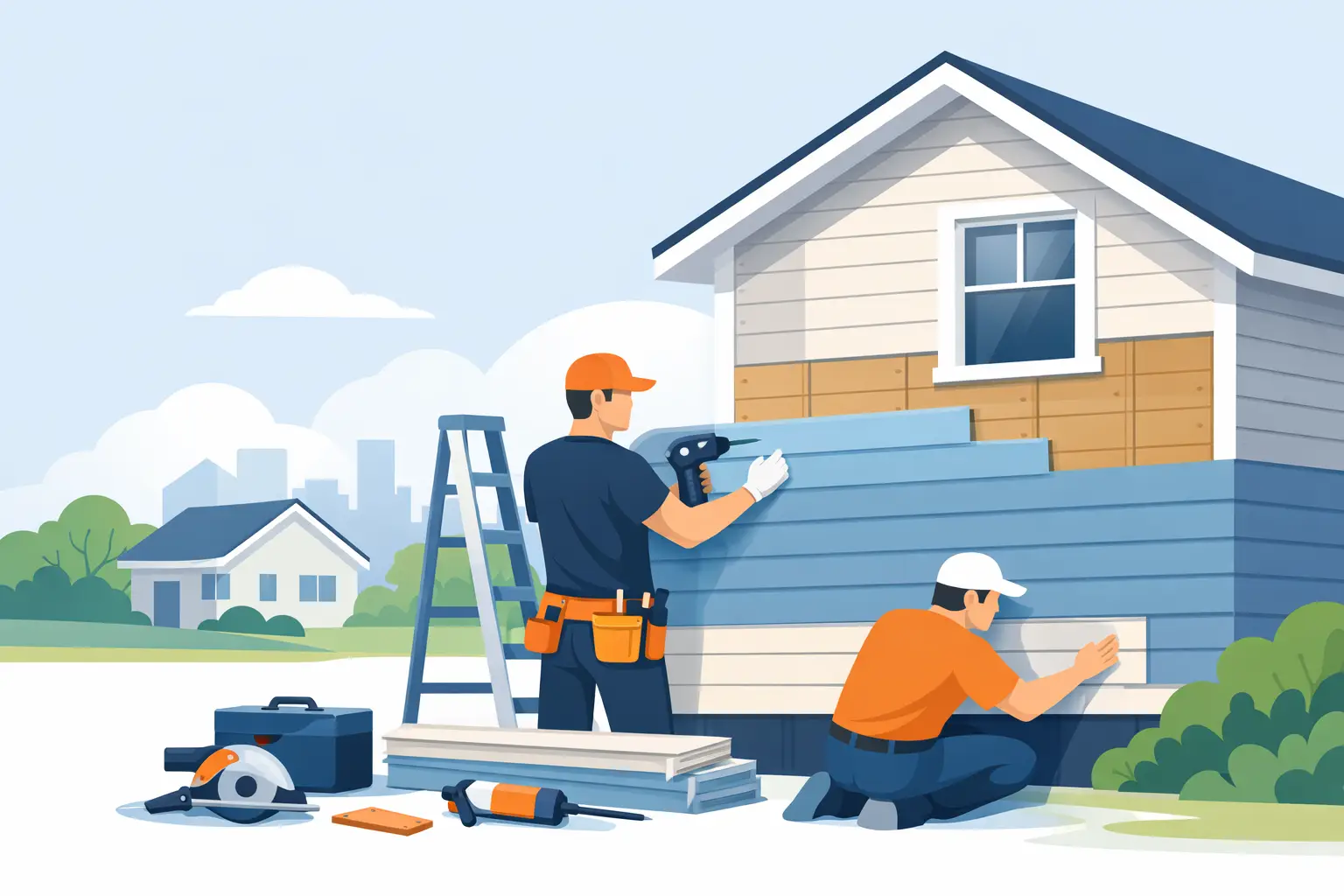
A siding job can look sharp on day one and still fail within a few wet seasons if the details underneath are wrong. That is why a proper home siding installation guide needs to cover more than colour, profile, and price. For homeowners, the real value is understanding what sits behind the finished surface, how water is managed, and where good workmanship makes the difference.
Siding is not just a cosmetic layer. It is part of your home’s weather defence system. On the coast, where moisture, wind, and temperature swings are part of normal life, installation quality matters just as much as material choice. A lower quote can look appealing until trim gaps open up, caulking fails, or trapped moisture starts affecting the wall assembly.
What a home siding installation guide should actually help you decide
Most homeowners start by comparing products, but the better starting point is performance. You want siding that suits the age of the home, the wall assembly, the exposure to weather, and the level of maintenance you are willing to take on.
That is where trade-offs come in. Vinyl can be cost-effective and low maintenance, but it may not deliver the same impact resistance or premium finish as fibre cement or engineered wood. Fibre cement is durable and stable, but it is heavier, more labour-intensive, and usually costs more to install properly. Wood siding has strong visual appeal, but it demands ongoing upkeep and careful moisture management.
The right answer depends on budget, design goals, and local weather exposure. A sheltered elevation may perform differently than a wall that takes direct wind-driven rain all winter. A good contractor looks at the whole building, not just the sample board.
Start with the wall, not the siding
Before any new siding goes on, the existing wall needs to be assessed. If old cladding is being removed, this is the best time to inspect sheathing, framing edges, window perimeters, and any areas that have been vulnerable to leaks. Covering hidden damage never saves money. It only delays a more expensive repair.
A proper inspection usually checks for rot, swelling, mould, failed flashing, soft trim, and signs that previous moisture intrusion has not been resolved. This stage also helps identify whether the wall needs levelling or repairs before new material is installed. Even high-quality siding will not sit properly on an uneven or compromised surface.
For many homes, especially older ones, this preparation stage is where the real value of experienced workmanship shows up. The finished boards may be what people notice, but the unseen corrections behind them are often what protect the house over time.
Moisture control is the heart of good siding installation
The biggest mistake in exterior work is treating siding as the waterproof layer. It is not. Siding sheds most water, but a well-built wall also relies on a weather-resistant barrier, properly integrated flashing, and drainage planning that gives moisture a path out.
This is especially important in wet coastal conditions. If water gets behind the cladding, the assembly needs to manage it without trapping it against wood framing or sheathing. That means transitions around windows, doors, roof lines, penetrations, and horizontal trim need to be handled carefully.
A reliable installation often includes house wrap or another approved weather barrier, flashing tape where needed, metal or manufactured flashings at vulnerable areas, and spacing or detailing that supports drainage and drying. The exact system depends on the product being installed and the structure of the home. There is no one-size-fits-all approach, which is why details should never be rushed.
Choosing the right siding material
Material selection should balance appearance, durability, maintenance, and installation requirements.
Vinyl siding remains popular because it is affordable, available in many styles, and relatively easy to maintain. It performs well when installed with proper allowance for expansion and contraction. If it is nailed too tightly or trimmed carelessly, it can buckle, rattle, or show visible waviness.
Fibre cement offers a more solid feel and a crisp, finished appearance. It stands up well to moisture and pests, but it requires precise cutting, fastening, joint treatment, and flashing integration. It is less forgiving of poor installation, which means the crew matters as much as the product.
Engineered wood can be a strong middle ground for homeowners who want warmth in the finished look without the maintenance demands of traditional wood. Product quality varies, so installation specifications need to be followed closely, especially for clearances and edge sealing.
Natural wood siding can still be the right fit for certain homes, particularly where character and architectural style matter. But it asks more from the homeowner over time. If you choose wood, go in with clear expectations about maintenance cycles and exposure-related wear.
The installation stage where quality shows
Once the wall is repaired and protected, installation begins. This is where a lot of visible and hidden quality markers come into play.
Layout matters. Courses need to run straight, reveals need to stay consistent, and trim lines need to look intentional from every angle. Around windows and doors, cuts should be clean and planned, not improvised. Corners should feel solid and aligned, not patched together to get the job finished.
Fastening also matters more than many homeowners realize. Different siding products have specific requirements for nail type, spacing, placement, and clearance. Miss those details and performance can suffer. The same goes for manufacturer-required gaps, caulking locations, and ventilation details.
Good crews also pay attention to how the siding meets soffits, decks, roofing, stone, and other surfaces. These transition points are often where problems begin. A polished finish is not just about looks. It usually reflects better planning and tighter execution throughout the job.
Why trim, flashing, and finishing details matter
The parts that frame the siding often determine how long the whole system lasts. Trim boards, starter strips, corner assemblies, belly bands, window surrounds, and flashing details all affect water management and appearance.
If trim is undersized, poorly fastened, or installed without proper spacing, it can move, gap, or invite moisture in behind the cladding. If flashing is skipped or badly integrated, even premium siding can end up protecting very little.
This is where craftsmanship separates an average result from a dependable one. A clean exterior is not created by rushing to the last board. It comes from treating the details as part of the system, not as afterthoughts.
Questions to ask before hiring a siding contractor
Any homeowner using a home siding installation guide should come away with a better sense of what to ask. Not just what material is being used, but how the wall will be prepared, how moisture will be managed, and what finishing standards are expected.
Ask whether damaged sheathing or framing will be documented and addressed if found. Ask how flashing will be handled around windows, doors, and roof intersections. Ask what product-specific installation standards the crew follows and whether the quote includes trim, disposal, and site cleanup.
It also helps to ask who is doing the work day to day. Strong project execution depends on more than a sales conversation. Homeowners should feel confident that the people on site understand exterior systems, respect the property, and care about the finished result.
Timing, weather, and realistic expectations
Siding projects are weather-sensitive, and that affects scheduling. Dry conditions are ideal for exposing and repairing wall assemblies, but the reality is that exterior work often has to adapt to changing forecasts. A professional team plans for that rather than pushing ahead carelessly.
There can also be surprises once old materials come off. Hidden damage, outdated detailing, or structural repairs may affect the timeline and budget. That does not mean the project is going wrong. It often means the work is being done honestly.
For homeowners in coastal conditions, this matters. Homes built for Vancouver Island weather need more than attractive finishes. They need cladding systems installed with care, backed by proper preparation, and built to handle repeated moisture exposure over the long term.
If you are planning a siding project, focus less on the fastest path to a new exterior and more on whether the work will still be protecting your home years from now. That is usually where real value lives.
Leave a Reply