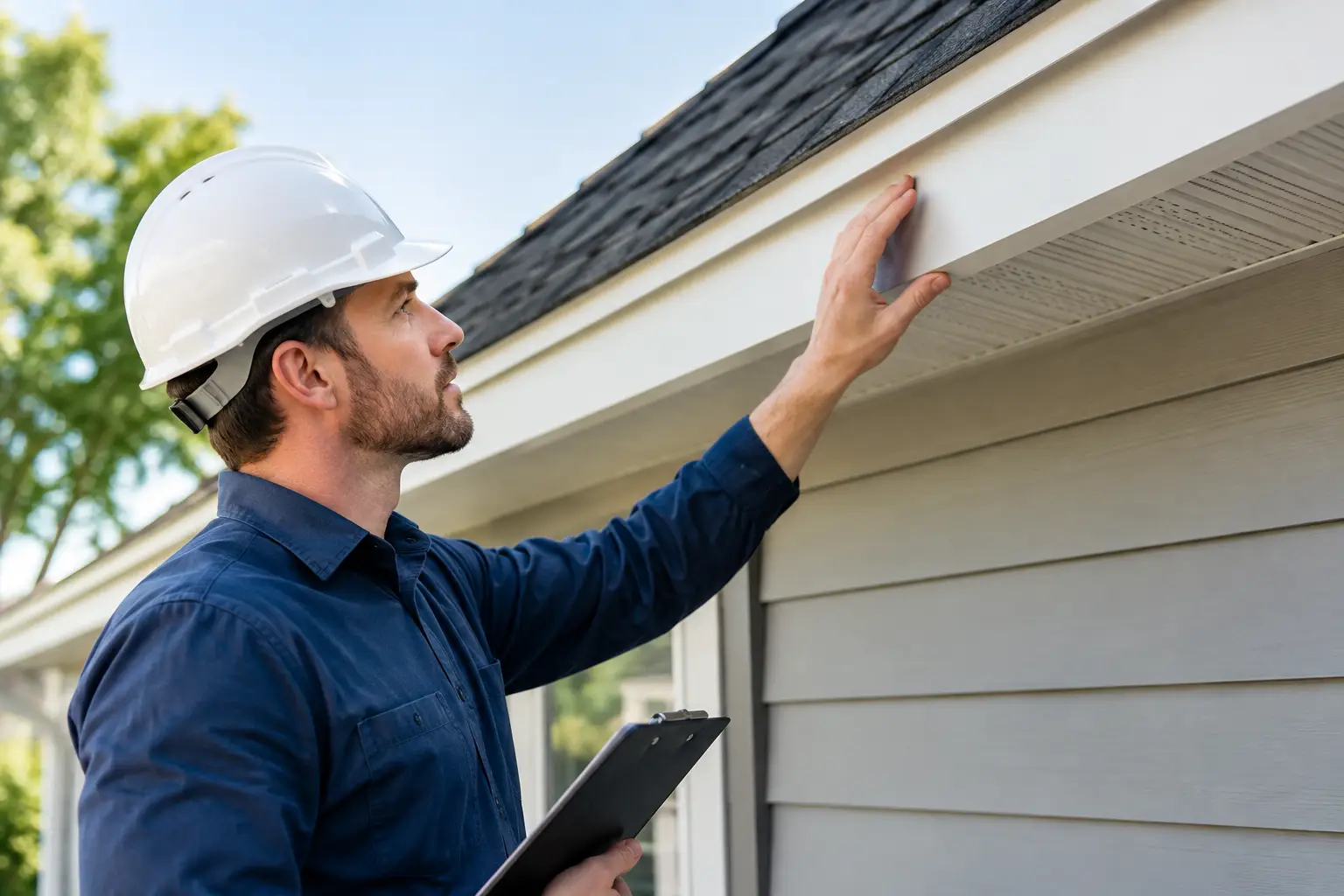
A fascia repair project can look like a minor exterior fix from the ground. In reality, the fascia board sits at one of the busiest points on your home: where the roof edge, gutters, soffits, and drainage system meet. When it begins to rot, split, sag, or pull away, water can move into places it was never meant to reach. Addressing the problem properly protects more than the trim. It helps preserve the roof structure, siding, and finished appearance of the entire roofline.
For homes exposed to Vancouver Island rain, wind, and long wet seasons, fascia damage deserves a careful assessment rather than a quick cosmetic cover-up. The right repair depends on the condition of the wood behind the visible board, the performance of the gutters, and the details that keep water moving away from the home.
What Fascia Does for Your Home
Fascia is the horizontal board mounted along the lower edge of a roof. It creates a clean, finished line beneath the shingles or roofing edge and commonly provides the mounting surface for gutters. It also closes off part of the roof assembly, helping protect the rafter ends and supporting a tidy transition to the soffit below.
Because fascia is close to the roof and drainage system, it is regularly exposed to runoff. If gutters overflow, leak at seams, or pull loose from their fasteners, the fascia can remain wet for extended periods. Over time, painted wood may blister, soften, and decay. Once decay reaches the board behind the paint, the gutter may no longer have solid material to hold onto.
A sound fascia installation is therefore both a finishing detail and a functional part of the exterior envelope. It needs to look straight and clean, but it also needs to remain stable under the weight of full gutters, seasonal debris, and persistent weather exposure.
Signs Your Fascia Repair Project Needs More Than Paint
Peeling paint does not always mean the fascia board has failed. It can result from age, poor surface preparation, or an area that stays damp after rain. Still, paint damage should be investigated before another coat is applied. Fresh paint may improve the appearance temporarily while concealing a moisture issue that continues behind it.
A closer inspection is especially worthwhile when you notice several warning signs together. Common indicators include:
- Soft or crumbling wood at the lower edge of the board
- Dark staining, mould growth, or recurring paint bubbles
- Gutters that sag, lean, or pull away from the roofline
- Open gaps between fascia, soffit, and roof edge
- Water marks on siding directly below the gutters
The key question is not simply whether the face of the fascia looks worn. It is whether water has affected the rafter tails, sheathing edge, soffit framing, or gutter attachment points. Replacing only the outer board when hidden components are compromised can leave the home vulnerable and create another repair cycle sooner than expected.
Start With the Source of the Moisture
A proper fascia repair project starts by identifying why the original board deteriorated. In many cases, the culprit is not the fascia itself. It is water management.
Blocked gutters are an obvious concern, but small drainage failures can be just as damaging. A gutter may be pitched incorrectly, allowing water to stand near one end. A leaking corner, end cap, or downspout connection can repeatedly soak a concentrated area. Short or missing flashing at the roof edge can direct runoff behind the gutter instead of into it. Even an upper roof valley that discharges too much water into one section of gutter can overwhelm the system during heavy rain.
Before repairs begin, the contractor should inspect the roof edge, gutter slope, downspouts, drip edge, and roof covering immediately above the damaged area. This helps ensure the replacement material is not placed back into the same conditions that caused the failure.
Repair or Replacement: Choosing the Right Scope
The best scope depends on the extent of the damage. A small, isolated section of fascia with firm wood on both sides may be suitable for a targeted repair. This can be a sensible option when the moisture source has been corrected and the surrounding boards remain sound.
Full-board replacement is often the better choice when rot extends across long sections, gutter fasteners have lost their holding strength, or the board has warped enough to disrupt the roofline. It gives the installer a clear view of the framing behind the fascia and allows for a straighter, more durable finish.
Sometimes the scope needs to expand after the old fascia is removed. This is not a sign of poor planning. Hidden damage cannot always be confirmed from the ground or through a painted surface. If rafter tails, roof sheathing, or soffit framing show decay, those components should be repaired before new fascia is installed. Covering compromised framing may look acceptable on day one, but it does not provide a dependable base for gutters or exterior trim.
Clear communication matters here. Homeowners should understand what is included in the visible repair, what conditions could require additional work, and how any concealed damage will be documented if it is found.
Material Choices for Fascia Repairs
Wood fascia remains a practical option when it is properly prepared, primed on all sides where appropriate, and protected by good roof-edge and gutter details. It can match existing trim profiles well and offers a traditional finished appearance. The trade-off is maintenance. Wood needs consistent paint or coating upkeep, especially in areas exposed to repeated moisture.
PVC fascia is resistant to rot and can be an attractive choice for homeowners focused on lower maintenance. It must still be installed carefully, with suitable fastening, spacing, and finishing details to account for temperature movement. It is not a substitute for proper drainage. Water that runs behind gutters or into the roof edge can still damage the wood framing behind a PVC board.
Aluminum-clad fascia can add a durable protective layer over prepared wood trim. Done well, it creates a clean finish and reduces repainting needs. Done poorly, it can trap moisture against failing wood or hide damage that should have been repaired first. The underlying structure should always be sound and dry before cladding is considered.
The right material is the one that suits the home’s style, existing exterior finishes, maintenance expectations, and roof-edge conditions. Quality installation matters as much as the product selected.
Gutters and Fascia Must Work Together
A new fascia board should never be treated as separate from the gutter system attached to it. Gutters need solid fastening points, correct slope, secure joints, and downspouts that carry water far enough from the foundation. If the gutter is reinstalled into weak wood, or if its pitch sends water toward the wrong end, the repair has not solved the underlying issue.
This is also a good time to look at capacity. A roof section that collects heavy runoff may need better drainage planning than a small gutter adjustment. The answer varies by roof design, valley placement, tree coverage, and the amount of rainfall the property experiences. A detail-focused exterior contractor can assess these conditions as part of the repair rather than treating the gutter as an afterthought.
What Quality Workmanship Looks Like
A finished fascia repair should look straight from the ground, with consistent lines where the fascia meets the soffit and roof edge. More importantly, it should be securely fastened to sound framing, properly sealed or protected at exposed cuts, and ready to support the gutter system without movement.
The small details matter. Flashing should guide water into the gutter. End joints and trim transitions should be finished cleanly. Any replacement soffit materials should align with adjacent sections. Paint or cladding should be applied only after the substrate is properly prepared. These are the details that separate a short-lived patch from an exterior repair built to handle coastal weather.
At DryTek, fascia repairs are approached as part of the home’s complete exterior protection system. That means looking beyond the damaged board to the roofline, drainage, trim, and structural support that keep the repair performing over time.
Plan Repairs Before the Damage Spreads
Fascia issues rarely improve on their own. A small soft area can become a gutter failure, a damaged soffit, or moisture reaching the roof structure if it is left through enough wet seasons. Acting early usually gives you more repair options and a clearer path to preserving the home’s original exterior details.
If you have noticed peeling fascia paint, loose gutters, or staining along the roofline, arrange an assessment while the problem is still contained. A careful repair now can restore the finish you see from the street and, more importantly, the protection your home relies on when the next stretch of rain arrives.
Leave a Reply