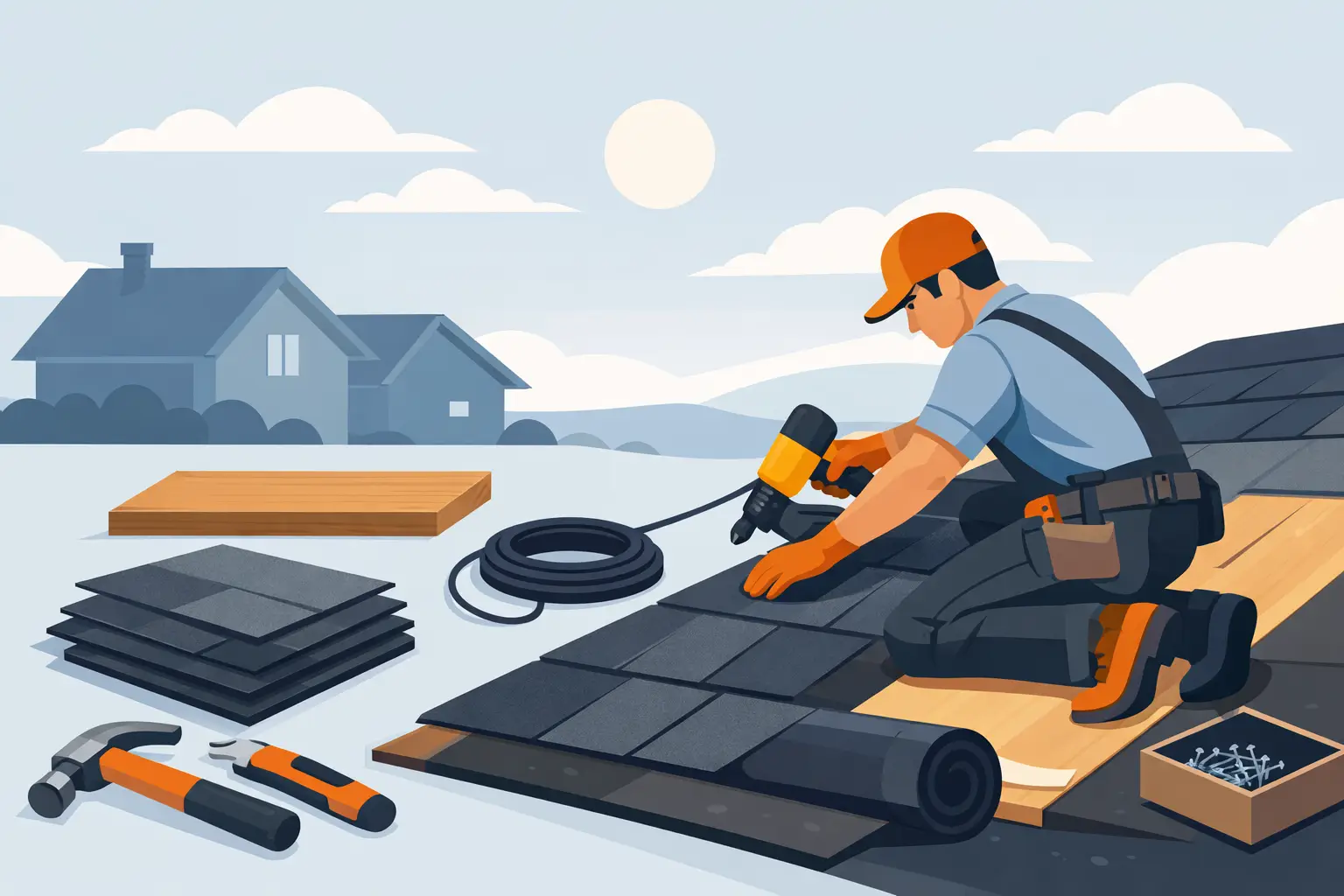
A roof can look fine from the driveway and still be one windstorm away from trouble. That is why asphalt shingle roof installation matters far beyond colour choice or curb appeal. The real performance of a shingle roof comes from what sits underneath, how each section is detailed, and whether the system is built properly for rain, wind, and long-term wear.
For homeowners, that usually means one thing – the quality of the installation matters just as much as the product itself. A good-looking roof that is rushed, poorly ventilated, or incorrectly flashed can age fast. A well-installed roof protects the home, sheds water properly, and holds its appearance much longer.
What asphalt shingle roof installation really involves
Many people think of shingles as the whole roof. In practice, shingles are only the top layer of a larger system. Proper installation starts with assessing the roof deck, replacing any damaged sheathing, and confirming the structure is ready for new materials. From there, the roofing system is built in layers designed to manage water, support ventilation, and protect vulnerable areas.
That system often includes underlayment, ice and water protection in key areas, drip edge, starter shingles, field shingles, ridge materials, flashing around roof penetrations, and ventilation components. If one part is skipped or handled carelessly, the rest of the roof has to work harder. That is where premature leaks and uneven wear often begin.
This is especially relevant in coastal climates where roofs spend long periods dealing with moisture. Heavy rain does not always reveal a problem right away. Sometimes poor workmanship shows up years later as staining in the attic, soft decking, mould, or heat loss from bad ventilation.
Why installation quality matters more than homeowners expect
Asphalt shingles are popular for good reasons. They are cost-effective, available in a wide range of styles, and suitable for many homes. But they are not forgiving of bad workmanship. A shingle can only perform to its rating if it is fastened correctly, aligned properly, and installed over a sound, dry surface.
Nailing is a good example. Too high, too low, overdriven, or underdriven, and shingles can loosen, lift, or fail to seal as intended. That may not be obvious right after the job is finished. It becomes obvious when wind gets under the tabs or when water starts finding a path where it should not.
Flashing is another area where experience shows. Valleys, chimneys, skylights, vents, and wall transitions all need careful detailing. These are the places where many roof problems start, not the open field of shingles. Precision in these areas is what separates a roof that simply looks new from one that is actually built to last.
Key stages of asphalt shingle roof installation
The first stage is removal and inspection. If an old roof is being replaced, the existing material is stripped so the deck can be checked properly. Installing over hidden damage rarely saves money in the long run. Soft or rotten sheathing needs to be replaced before the new roofing system goes on.
Next comes preparation. Drip edge, underlayment, and waterproofing membranes are installed to direct water away from the deck and protect high-risk sections. Roof penetrations and transitions are prepared for flashing. This stage is less visible once the roof is complete, but it is one of the most important parts of the job.
Then come the shingles themselves. Starter strips are set at the eaves and rakes to support wind resistance. Field shingles are laid in a consistent pattern and fastened according to manufacturer requirements. Ridge caps finish the peaks and complete the water-shedding design of the roof.
The final stage is detailing and cleanup. Proper sealing, vent installation, flashing checks, and site cleanup all matter. A professional finish should look sharp, but it should also leave the property protected and tidy.
Ventilation is part of the roof, not an extra
One of the most overlooked parts of any roof replacement is ventilation. Homeowners often focus on the visible roofing material and forget that attic airflow affects the life of the roof just as much as surface exposure does.
When ventilation is poor, heat and moisture can build up in the attic. That can shorten shingle life, contribute to condensation problems, and affect indoor comfort. In damp climates, trapped moisture is a serious issue. It can lead to mould, wood deterioration, and insulation problems even when the shingles themselves are still relatively new.
Good asphalt shingle roof installation includes balancing intake and exhaust ventilation so the roof system can breathe. The right solution depends on the home, roof shape, and attic design. This is one of those areas where a one-size-fits-all approach usually falls short.
Material choice still matters, but not in isolation
Not all asphalt shingles are the same. Homeowners can choose from basic three-tab products and thicker architectural shingles, with different wind ratings, profiles, and manufacturer warranties. In many cases, architectural shingles offer better durability and a stronger finished look.
That said, paying for a better shingle does not fix poor installation. A premium product installed carelessly can fail earlier than a standard product installed properly. The best results come from pairing quality materials with experienced workmanship and roof details suited to the home.
For homes exposed to frequent rain and seasonal wind, it is worth looking beyond the brochure. Ask how the full system is being built, what underlayment is used, how vulnerable areas are flashed, and whether ventilation is being assessed as part of the project.
What homeowners should ask before hiring a roofer
A roofing quote should tell you more than price. It should explain the scope of work clearly enough that you know what is being replaced, what is being upgraded, and how the contractor plans to protect the home during and after installation.
Ask whether the old roof will be fully removed, whether damaged sheathing is included if found, and what kind of underlayment and flashing will be installed. Ask how ventilation will be handled. Ask who is completing the work and whether the installation follows manufacturer specifications. These are practical questions, not technical trivia.
It is also fair to ask about cleanup and project communication. Roofing is disruptive by nature, but it should still be organized. Homeowners should know what to expect, how long the project may take, and what happens if weather delays the schedule.
A dependable contractor will answer directly and without overselling. That usually tells you a lot about how the project itself will be handled.
Common shortcuts that cause problems later
Some roofing issues start with decisions made to keep a quote low or speed up the job. Reusing old flashing when it should be replaced, skipping waterproof membrane in critical areas, or failing to address ventilation can all reduce upfront cost while increasing future risk.
Overlaying new shingles on top of old ones is another example. In some situations it may be permitted, but it can hide deck problems, add weight, and shorten the life of the new roof. It also limits the installer’s ability to inspect the structure properly. For many homes, full removal is the better long-term choice.
Another common issue is poor attention to finishing details. Crooked lines, uneven exposure, and messy ridge work are visible signs, but the hidden problems are more serious. If the visible work lacks precision, it is reasonable to question the parts you cannot see.
A roof should suit the home and the climate
The right roof is not just the one that fits the budget. It is the one installed with enough care to handle the conditions it will face year after year. On Vancouver Island, that means paying attention to moisture management, wind exposure, and the details that keep water moving off the roof and away from the home.
That practical, detail-first approach is what good contractors bring to the job. At DryTek, the standard is simple: quality craftsmanship, proper installation, and finishes that protect the home while keeping it looking sharp.
If you are planning a new roof, focus less on the sales pitch and more on the build. The best roofing decisions usually come down to careful preparation, honest guidance, and workmanship you will not have to think about every time it rains.
Leave a Reply