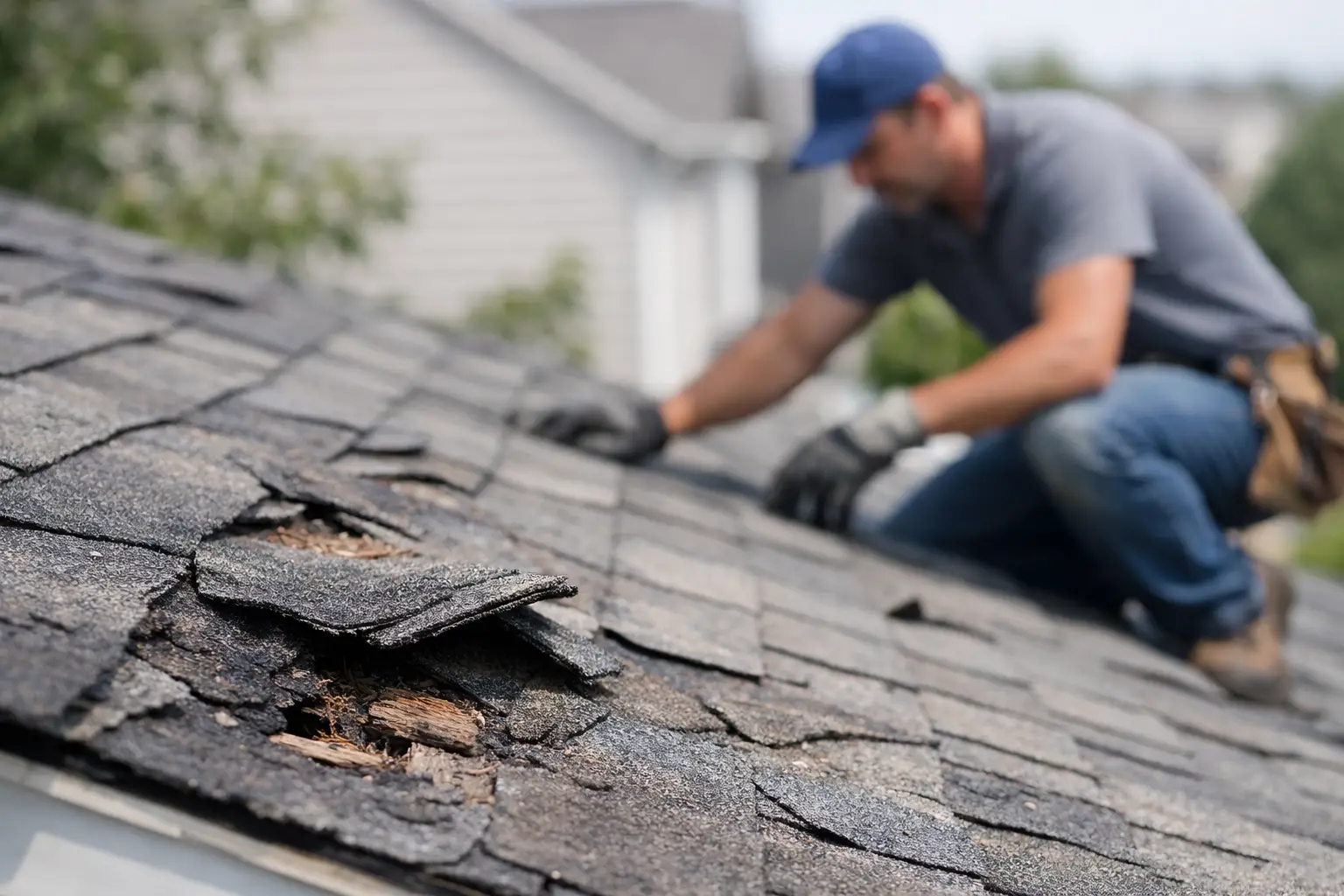
A ceiling stain that appears after a week of hard rain is not just a cosmetic issue. It may be one of the clearest signs your roof needs replacement, especially if the roof is already near the end of its expected service life. On Vancouver Island, frequent moisture, wind-driven rain, moss growth, and coastal exposure can turn a small roofing weakness into a larger repair quickly.
A roof does not always fail in one dramatic moment. More often, it wears down in stages: shingles lose their protective surface, flashing separates, water finds a pathway beneath the roofing, and the decking begins to suffer. Knowing what to look for helps you plan the right work before interior damage, mould, or structural repairs raise the cost.
How to Read the Signs Your Roof Needs Replacement
No single symptom automatically means a full replacement is required. A missing shingle after a windstorm may be a straightforward repair. But when several issues appear at once, or when damage is widespread, replacing the roof is often the more reliable and cost-effective choice.
The condition of the roof, its age, the quality of past installation, and the condition beneath the shingles all matter. A professional assessment should look beyond what is visible from the driveway.
1. Your roof is nearing the end of its expected lifespan
Age is one of the most useful starting points. Asphalt shingle roofs commonly last around 20 to 30 years, although material quality, roof slope, ventilation, weather exposure, and installation standards can shorten or extend that range. Cedar, metal, and other systems follow different timelines.
If you do not know when the roof was installed, check purchase records, permits, previous inspection reports, or ask the former owner if possible. A roof approaching the end of its service life deserves closer attention, even when it still looks acceptable from the ground.
2. Shingles are curling, cracking, or lifting
Shingles should sit flat and overlap cleanly. Curled edges, cracked surfaces, lifted tabs, or shingles that appear distorted are signs that the material is losing its ability to shed water properly.
This is particularly concerning when the issue appears across broad sections of the roof rather than in one isolated area. Replacing a few damaged shingles can help after a localized event, but widespread deterioration usually points to an aging roof system.
3. Granules are collecting in gutters or at downspouts
The sand-like particles on asphalt shingles protect them from sunlight and help manage weathering. As shingles age, they shed granules. It is normal to see a small amount, particularly after a new roof is installed, but heavy accumulation is different.
Check gutters, downspout exits, and areas below roof valleys. If granules are consistently collecting there, the shingles may be nearing the point where they no longer provide dependable protection. Bare or darker patches on the roof can confirm that the surface is wearing away.
4. You have recurring leaks or new interior stains
A leak does not always mean the entire roof has failed. Water can enter around a chimney, skylight, vent, valley, or damaged flashing. Those issues may be repairable when the rest of the roof is in good condition.
Recurring leaks are more serious. If repairs have been made but stains keep returning, if multiple areas of the home show moisture, or if water enters during ordinary rainfall, it is time to investigate the roof as a whole. Delaying can affect insulation, drywall, framing, and electrical systems.
5. The roof deck feels soft or looks uneven
A healthy roof should have clean, consistent lines. Sagging areas, dips, or a wavy appearance can indicate damaged sheathing or framing beneath the shingles. From inside the attic, you may notice darkened wood, moisture staining, or a soft spot in the roof deck.
This is not a wait-and-see issue. Decking damage can develop when water has been entering for some time, and the necessary work may go beyond surface shingle replacement. A thorough inspection can determine whether structural repairs are needed before new roofing is installed.
6. Moss and algae are taking over the roof
Moss is common in damp, shaded parts of British Columbia, but it should not be ignored. Moss holds moisture against the roof surface and can lift shingle edges as it grows. That creates opportunities for water to work underneath the roofing.
Light surface growth may be manageable with careful maintenance, depending on the roof type and condition. Thick moss, especially on an older roof with worn shingles, often signals that replacement should be considered. Avoid pressure washing or aggressive scraping, which can remove granules and cause further damage.
7. Flashing is rusted, cracked, or pulling away
Flashing seals the vulnerable transitions around chimneys, walls, vents, skylights, and valleys. Even high-quality shingles cannot perform properly when flashing has failed.
Look for rust, separated seams, cracked sealant, missing pieces, or metal that has lifted away from the roof. In some cases, flashing can be replaced without a full reroof. If it is failing alongside worn shingles and other signs of age, replacing the complete system gives you a more dependable result.
8. Several shingles are missing after wind or storms
One missing shingle can often be replaced. Multiple missing shingles, exposed underlayment, or repeated wind damage suggests that the roof is no longer securely fastened or that the shingles have become brittle with age.
Coastal weather can test weak roofing quickly. After a major windstorm, inspect the ground around your home and look up from a safe distance. Do not climb onto the roof yourself. Loose material and wet surfaces create unnecessary risk, and a professional can identify damage that is not visible from below.
9. Your heating costs have changed and the attic feels damp
A roof system works with attic ventilation and insulation to manage heat and moisture. If your attic is unusually humid, has a musty smell, shows frost or condensation in colder weather, or feels excessively hot in summer, the roof assembly may not be performing as it should.
Higher energy bills alone do not prove you need a new roof. However, when they occur alongside shingle wear, leaks, or attic moisture, they add useful context. Proper replacement should address ventilation and flashing details, not simply install new shingles over an unresolved problem.
When Roof Repair Makes Sense Instead
Replacement is a significant investment, so a good contractor should not recommend it automatically. Repair can be the right option when the roof is relatively new, the damage is confined to one area, and the surrounding shingles remain flexible and secure. A failed pipe boot, loose flashing, or a small section damaged by a fallen branch may not justify replacing the entire roof.
The trade-off is longevity. Patching an old roof can stop an immediate leak, but it may only buy limited time if the material is generally worn out. Matching older shingles can also be difficult, and multiple repairs can become more expensive than a planned replacement. The goal is not the cheapest short-term fix. It is work that protects the home properly and gives you a clear expectation of what comes next.
What a Proper Roof Assessment Should Include
A useful roof inspection looks at more than shingle colour and curb appeal. It should assess the roofing surface, penetrations, flashing, valleys, ridge details, gutters, ventilation, attic moisture, and any visible concerns with the roof deck. The condition of siding or wall transitions may also matter, since water can enter where exterior systems meet.
Take note of when leaks occur and where you see them. A stain that appears only during wind-driven rain can point to a different issue than water that appears after snow melt or prolonged rainfall. Photos from the ground and notes about past repairs can help a contractor identify patterns.
DryTek approaches roofing work with the full exterior in mind, focusing on the details that help a roof perform through Vancouver Island weather: correct preparation, durable materials, reliable drainage, and clean finishing at every transition.
Act Before the Damage Moves Indoors
The best time to assess a questionable roof is before the next long stretch of rain. If you have noticed several warning signs, arrange an inspection and get clear answers about whether repair or replacement is the wiser path. A well-built roof does more than improve the appearance of your home. It gives the structure beneath it the protection it needs for years to come.
Leave a Reply